Blog

CLASSIC LIST

22-Aug-Slipped-Disc-Dos-and-DOnts_Banner-e1756524410595-1200x738.jpg

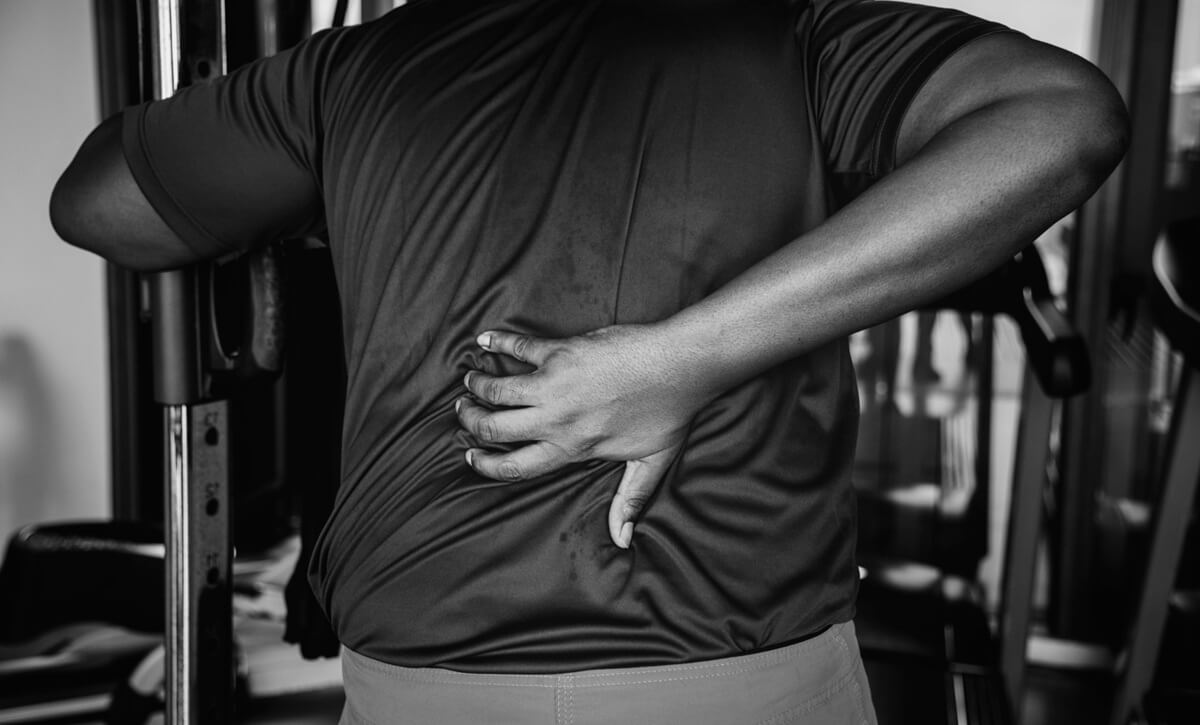
A slipped disc can significantly affect your daily life, making even simple tasks like sitting, standing, or bending painful. Recovery is possible with the right lifestyle choices, especially if you follow your doctor’s advice after slipped disc treatment. If you have recently undergone pain management procedures or therapy for a slipped disc, adopting the correct habits can help you heal faster and prevent recurrence.

Do’s for Slipped Disc Recovery

Follow Medical Advice
Always follow the treatment plan prescribed by your doctor. Consulting a slipped disc specialist in Ahmedabad ensures that you get a personalized approach for your recovery.

Practice Good Posture
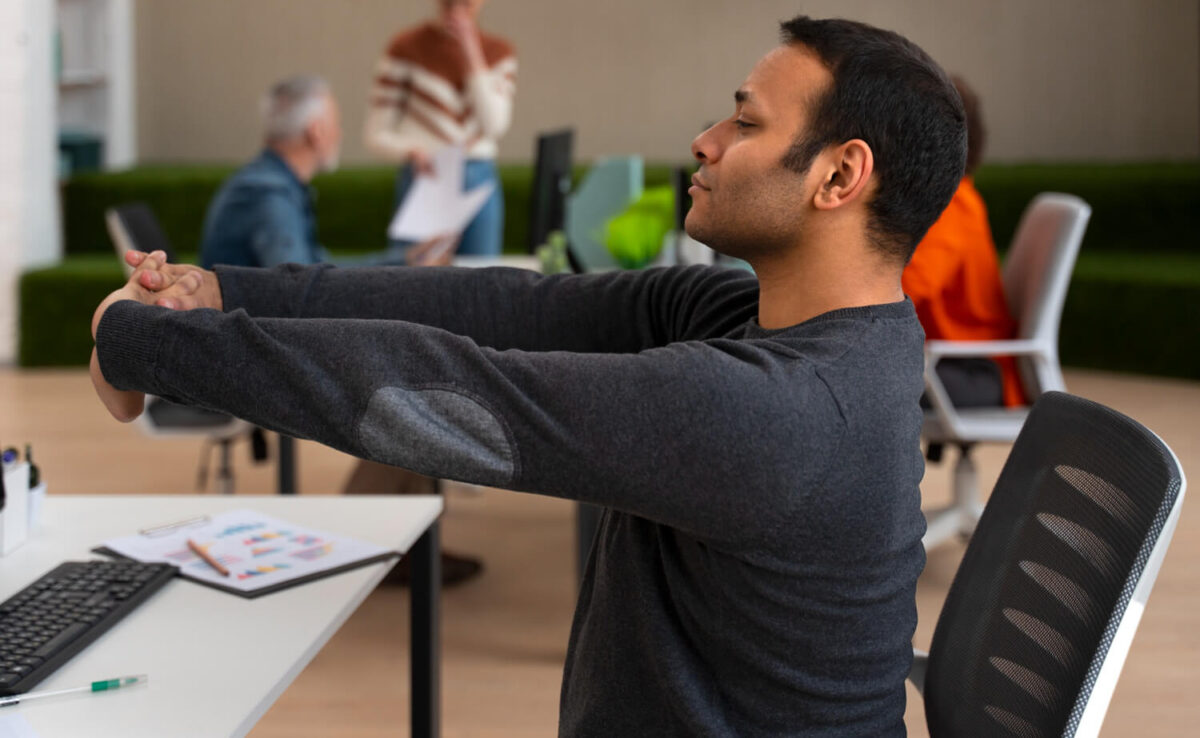
Maintaining the right posture while sitting, standing, or sleeping reduces pressure on your spine. Use ergonomic chairs and support your lower back to stay comfortable.

Stay Active with Gentle Exercises
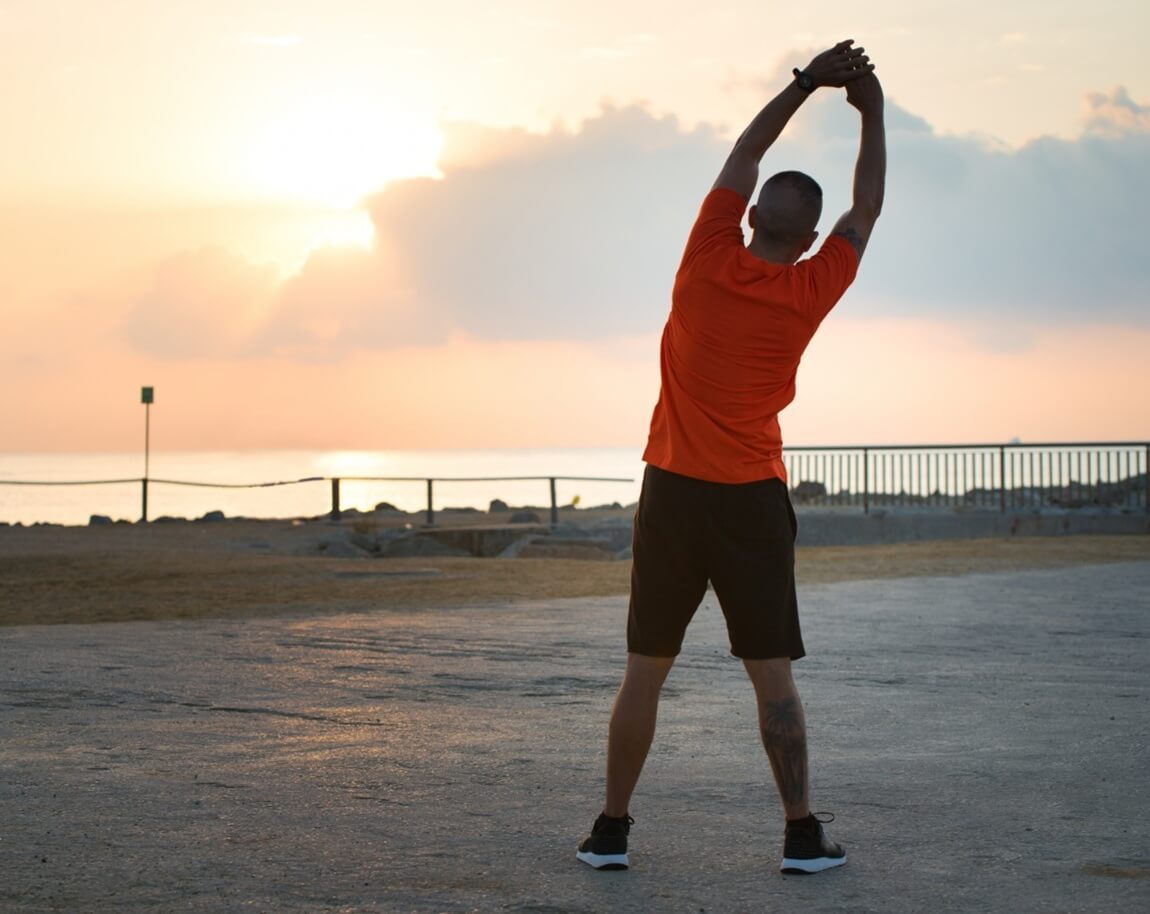
Low-impact exercises such as walking, stretching, or swimming can strengthen your back muscles and speed up healing. Always ask your doctor before starting any exercise.

Use Proper Lifting Techniques
If you need to lift something, bend your knees and keep your back straight. Avoid bending from the waist to prevent strain on your spine.

GOOD READ: Slipped Disc, Sciatica or Spinal Stenosis? Understanding Common Spine Issues

Don’ts for Slipped Disc Recovery

Avoid Prolonged Rest
While rest is important, lying in bed all day can actually worsen stiffness and slow down recovery. Gentle movement is better for your spine.

Don’t Lift Heavy Weights
Carrying heavy objects or overexerting yourself can delay healing and may cause further injury.

Say No to Poor Ergonomics
Avoid slouching while working on a computer or using your phone for long periods without neck support.

Ignore Pain Signals
If you experience persistent or worsening pain, do not delay consulting a spine pain specialist – Dr. Hitesh Patel, who is experienced in managing complex spine issues.

Looking for a slipped disc expert in Ahmedabad? Contact us.

Why LiveWell Hospital as best hospital for slipped disc treatment in Ahmedabad?

At LiveWell Hospital, we provide advanced and minimally invasive options for slipped disc treatment. Our team, led by Dr. Hitesh Patel, focuses on accurate diagnosis and customized care to help patients return to their normal routines faster. We are recognized as a trusted hospital for slipped disc treatment in Ahmedabad, offering comprehensive pain management solutions for all spine-related conditions.

Recovering from a slipped disc is a journey that requires patience, discipline, and proper medical care. By following these do’s and don’ts, you can support your recovery and prevent future problems.

Don’t let pain control your life.
Book your appointment today! | Happy Patients – Success Stories

Source/s: Banner Image by freepik
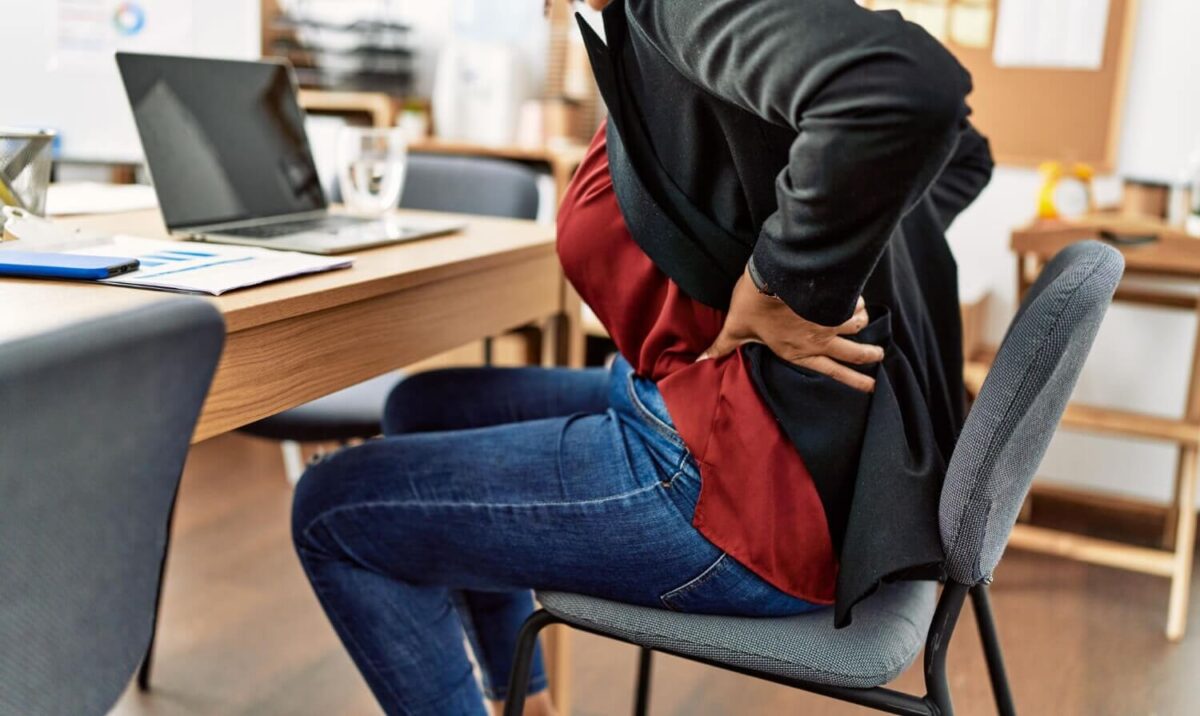

20-Aug-Back-Pain-in-Young-Adults_Banner-1200x716.jpg

In recent years, back pain has become alarmingly common among young adults. Once considered a problem of aging, it is now affecting people in their 20s and 30s, often disrupting work, studies, and daily life. The causes of back pain in young adults are varied – from long hours at a desk to heavy workouts, poor posture, and even stress.

While many brush back pain off as “just a strain,” ignoring persistent pain can lead to serious issues like sciatica or slipped disc. Consulting a qualified back pain specialist in Ahmedabad early can make all the difference.

Common causes of back pain in young adults

Once considered a midlife problem, back pain — including sciatica and slipped disc issues — is now affecting people in their 20s and 30s. Key reasons include:

  • Sedentary lifestyles – Long hours of sitting for work or study can strain spinal muscles and compress nerves.
  • Poor posture with gadgets – Slouching over phones and laptops is leading more patients to seek help from a back pain specialist.
  • Heavy gym workouts without guidance – Intense weight training without proper form increases the risk of spinal injuries, making slipped disc treatment more common among the young.
  • Stress and sleep deprivation – These can worsen muscle tension and nerve sensitivity, contributing to conditions that need attention from a sciatica specialist.

The good news? Early intervention through the best back pain treatment in Ahmedabad – including advanced, minimally invasive care – can prevent long-term disability.

Looking for a back pain specialist in Ahmedabad? Contact us.

Role of pain management clinics – the LiveWell approach

At LiveWell Pain Hospital in Ahmedabad, we believe surgery is rarely the first answer for young adults dealing with back pain or sciatica. Instead, our focus is on non-surgical and minimally invasive solutions, tailored to each patient’s condition. These may include:

By combining expertise with advanced technology, LiveWell Pain Hospital provides the best back pain treatment in Ahmedabad, aiming for lasting relief and prevention rather than temporary fixes.

Take action early – don’t ignore the signs

Many young adults delay getting help, assuming the pain will fade with time. However, at LiveWell Pain Hospital, we’ve seen how early diagnosis and the best treatment for sciatica in Ahmedabad or other spine issues can prevent years of discomfort. If you’ve been struggling with persistent back pain, consult our experienced back pain specialists in Ahmedabad to explore your options – so you can get back to living pain-free, sooner.

Don’t let pain control your life.
Book your appointment today! | Happy Patients – Success Stories

Source/s: Banner Image by freepik


19-July-Trigeminal-Neuralgia-Flare-Ups_Banner-1200x821.jpeg

Trigeminal neuralgia is often described as one of the most excruciating types of pain – a sudden, stabbing, current-like facial pain that can make everyday activities feel unbearable. At LiveWell Pain Hospital, one of the best trigeminal neuralgia treatment centres in Ahmedabad, we regularly see patients who struggle with unpredictable trigeminal neuralgia flare-ups and are searching for answers.

Let’s explore what triggers trigeminal neuralgia, and more importantly, how to manage and reduce trigeminal neuralgia flare-ups effectively.

Common triggers of trigeminal neuralgia

Flare-ups of trigeminal neuralgia are often set off by seemingly harmless actions. Knowing your trigeminal neuralgia triggers is the first step to better pain control. Here are some of the most common causes:

  • Cold air or wind directly hitting the face
  • Brushing teeth or chewing food
  • Talking for long periods
  • Smiling or facial movements
  • Light touch or washing the face
  • Emotional stress or fatigue

Even gentle stimulation can lead to intense, electric-shock-like pain, especially when the nerve is highly sensitized.

FOR MORE INFO: Trigeminal Neuralgia: Why a Simple Touch Feels Like a Shock

Why do these triggers cause pain?

The trigeminal nerve becomes hypersensitive due to underlying conditions such as nerve compression, injury, or multiple sclerosis. These triggers don’t cause damage – but they activate the already irritated nerve, leading to severe bouts of pain.

If you’re experiencing these symptoms, it’s time to consult a trigeminal neuralgia doctor in Ahmedabad who specializes in advanced diagnostics and nerve-related facial pain.

How to reduce and manage trigeminal neuralgia flare-ups

  • Use a scarf or mask to protect your face from cold air
  • Switch to soft foods and avoid extreme temperatures
  • Use a soft-bristled toothbrush and rinse with lukewarm water
  • Practice stress management with meditation or gentle yoga
  • Avoid known triggers as much as possible

Alongside lifestyle adjustments, effective medical treatment of trigeminal neuralgia is key to long-term relief. Medications such as anti-convulsants or nerve-blocking agents may be prescribed. In advanced cases, options like radiofrequency ablation (RFA) can offer significant relief.

SEE MORE ABOUT RADIOFREQUENCY ABLATION PROCEDURE.

Watch this video by Dr. Hitesh Patel – explaining all about the trigeminal neuralgia.

Looking for trigeminal neuralgia specialist in Ahmedabad?

At LiveWell Pain Hospital, our facial pain specialists in Ahmedabad provide a full range of care—from diagnostics to advanced interventional treatments. Whether you need conservative therapy or are considering newer options, our team includes a leading trigeminal neuralgia specialist focused on personalized care.

If you’re searching for a trusted hospital for trigeminal neuralgia treatment in Ahmedabad, Gujarat, LiveWell is here with science-backed solutions.

Don’t let pain control your life.
Book your appointment today! | Happy Patients – Success Stories

Source/s: Banner Image by freepik AI
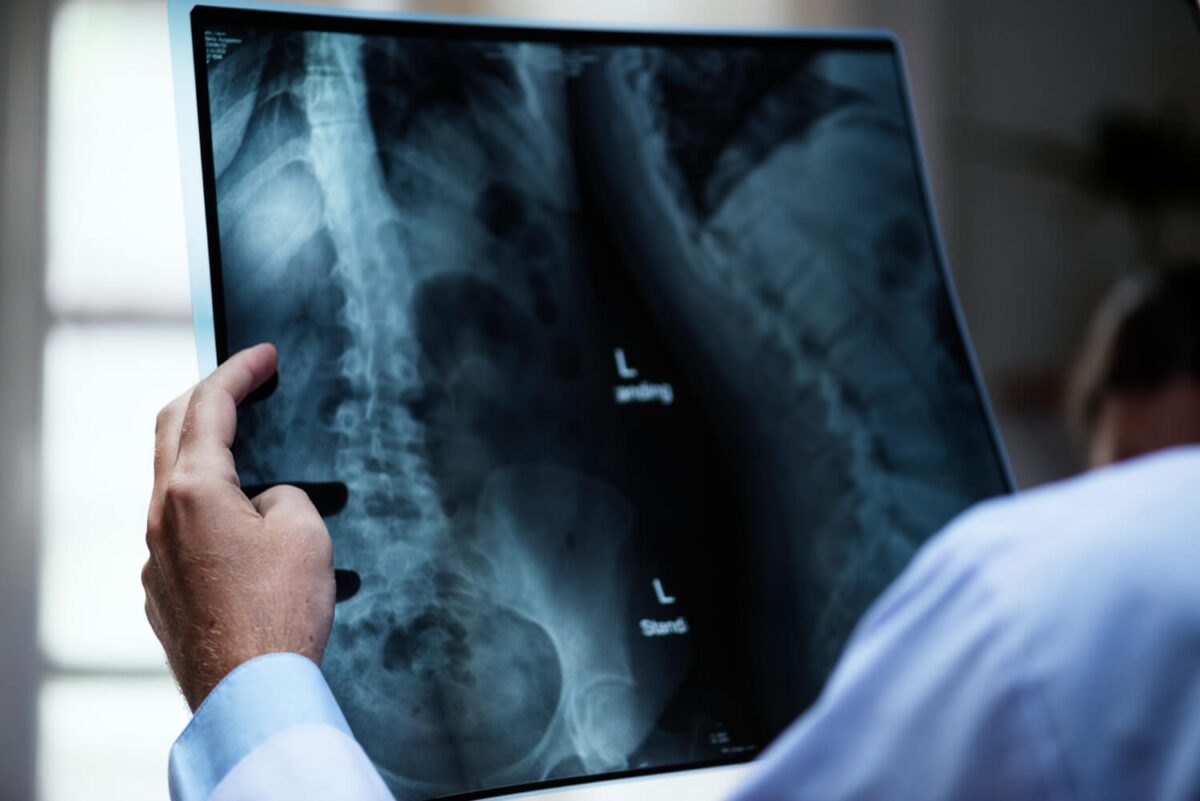

18-July-Tried-Everything-for-Spine-Pain_Banner-1200x801.jpg

If you’ve tried rest, painkillers, exercises and even physiotherapy for your back pain – but nothing seems to offer lasting relief – you’re not alone. Many patients struggle with chronic spine pain for years before discovering that the real solution lies not in general treatment, but in specialized pain management approaches. At LiveWell Hospital – a pain management clinic in Ahmedabad, we offer advanced, non-surgical options that are designed to treat the root cause – not just mask the symptoms.

Why spine pain keeps coming back

Back pain can be caused by various spine conditions such as a slipped disc, sciatica, facet joint arthritis, or spinal stenosis. Unfortunately, many people rely on over-the-counter medication or generic rehab plans that don’t address these issues directly.

Even seemingly minor disc bulges or nerve compression can lead to persistent or radiating pain – especially if left untreated or treated incorrectly. That’s where expert diagnosis and targeted care come in.

What really works for chronic spine pain

  1. Accurate diagnosis is the first step

Advanced imaging like MRI, spine mapping, and nerve conduction studies help pain specialists understand the exact cause of your pain – whether it’s a nerve root compression, herniated disc, or spinal narrowing.

  1. Minimally Invasive Interventional Procedures

Unlike surgery, interventional pain treatments are done under local anesthesia, often with minimal downtime. At LiveWell Hospital, we routinely perform:

  • Transforaminal Injections – Target inflammation at the nerve root caused by disc bulge or herniation.
  • Radiofrequency Ablation (RFA) – Uses heat to temporarily block pain signals from small nerves in the spine.
  • Disc Decompression (Nucleoplasty) – Removes small amounts of herniated disc tissue using a special probe.

Some of the FAQs that patients usually ask

Looking for the best spine pain treatment in Ahmedabad? or pain management clinic in Ahmedabad? Visit LiveWell Hospital – where advanced, minimally invasive care meets compassionate support.

Book your appointment today! | Happy Patients – Success Stories

Source/s: Banner Image by freepik


17-July-Slipped-Disc-Sciatica-or-Spinal-Stenosis_Banner.jpg

Back pain can be confusing – especially when it’s not clear whether you’re dealing with a slipped disc, sciatica, or spinal stenosis. These spine issues often share symptoms like leg pain, numbness and reduced mobility. But the treatment approach can differ significantly, which is why a proper diagnosis is key. In this blog, we break down these common spine conditions to help you understand what’s really behind your pain – and when to seek expert help.

What is a slipped disc and how does it cause back and leg pain?

Slipped disc, also called a herniated disc, this occurs when the soft cushion between your vertebrae bulges or ruptures, pressing on nearby nerves. It’s one of the most common causes of nerve pain in the lower back and neck.

Symptoms include:

  • Localized or radiating back pain
  • Pain that worsens with bending or lifting
  • Numbness or tingling in legs or arms
  • Weakness in muscles served by affected nerves

Looking for slipped disc treatment in Ahmedabad? Consult a slipped disc specialist in Ahmedabad at LiveWell Hospital to explore both conservative and minimally invasive options.

READ MORE: Causes & Symptoms of Sciatica

What is sciatica and how do you know if you have it?

Sciatica isn’t a condition – it’s a symptom. It refers to pain that travels along the sciatic nerve, usually caused by pressure from a herniated disc or spinal narrowing.

Typical signs:

  • Sharp or shooting pain from the lower back to one leg
  • Numbness or tingling in the buttocks or foot
  • Pain worsens when sitting, coughing, or sneezing

Sciatica is often misunderstood. Accurate diagnosis is critical for the best treatment for sciatica in Ahmedabad, including non-surgical methods available at LiveWell Hospital.

What is spinal stenosis and when should you see a specialist?

Spinal stenosis is the narrowing of the spinal canal, which can compress nerves over time. It’s more common in older adults due to age-related changes.

Symptoms may include:

  • Back pain that improves when bending forward
  • Leg pain or cramping after walking short distances
  • Balance issues or heaviness in the legs
  • Relief when sitting or resting

Mild cases can be treated conservatively, but severe stenosis may require interventional procedures for long-term relief.

How these spine conditions affect your daily life

Living with spine-related pain such as a slipped disc, sciatica or spinal stenosis doesn’t just impact your body – it affects every part of your day-to-day life.

These conditions can:

  • Limit your ability to walk or sit for long periods, making work and social activities difficult
  • Disrupt your sleep due to pain or numbness, leading to fatigue and irritability
  • Affect your posture and mobility, resulting in additional strain on muscles and joints
  • Make routine tasks—like bending, lifting, or even getting out of bed – a challenge
  • Lead to emotional stress, anxiety, or depression from living in chronic pain

Many people delay treatment thinking the pain will go away, but spine-related conditions often get worse without proper care. Seeking timely help from a spine pain specialist – Dr. Hitesh Patel or pain management clinic can restore your comfort, independence and quality of life.

GOOD READ: 8 Ways Pain Can Affect Your Life – And Why You Shouldn’t Ignore It

What are the best treatment options for spine pain at LiveWell Hospital?

We offer a range of personalized pain management options, including:

FAQs About Common Spine Issues

Looking for the best spine pain treatment in Ahmedabad? or pain management clinic in Ahmedabad?

Visit LiveWell Hospital – where advanced, minimally invasive care meets compassionate support.
Book your appointment today! | Happy Patients – Success Stories

Source/s: Banner Image by Freepik


16-June-Sciatica-Red-Flags_Banner.jpg

When sciatica becomes more than just a nerve pain

Sciatica often starts as a dull ache or a sharp pain radiating down the leg. While many people dismiss it as temporary, worsening symptoms can signal serious nerve involvement. At LiveWell Hospital, our team offers the best treatment for sciatica in Ahmedabad and helps patients understand when it’s time to stop ignoring the pain.

Common sciatica symptoms you should know

Most sciatica cases are caused by a pinched or irritated sciatic nerve, often due to a slipped disc, spinal stenosis, or injury. Common symptoms include:

  • Pain that radiates from the lower back to one leg
  • Tingling or “pins and needles” sensation
  • Mild numbness
  • Pain that worsens while sitting or standing too long

These are often manageable with rest, physiotherapy, or medications. But some signs need urgent attention.

READ MORE: Causes & Symptoms of Sciatica

Red flags that indicate worsening sciatica

  1. Persistent or Worsening Leg Weakness

Struggling to lift your foot or experiencing muscle weakness could mean nerve compression is severe.

  1. Loss of Bladder or Bowel Control

This is a medical emergency, known as Cauda Equina Syndrome, and may require immediate surgical intervention.

  1. Complete Numbness in the Groin or Legs

Loss of sensation around the buttocks or inner thighs should never be ignored – it often suggests serious nerve damage.

  1. Pain That Isn’t Relieved by Rest or Medication

If your pain is constant or escalating despite taking medicines or following home care routines, it’s time to consult a sciatica specialist in Ahmedabad.

Why you should not wait

Ignoring these red flags may lead to permanent nerve damage, muscle loss, or long-term disability. The earlier you seek expert care, the more treatment options are available – often without needing surgery.

Advanced sciatica treatment options

At LiveWell Hospital, a best sciatica treatment hospital in Gujarat, we offer:

  • Sciatica treatment without surgery: Lifestyle modification, targeted physical therapy, and medications
  • Interventional pain management: Including nerve root blocks and radiofrequency ablation
  • Minimally invasive procedures: Endoscopic techniques to relieve pressure on the sciatic nerve

Looking for sciatica pain treatment in Ahmedabad? Our team of specialists evaluates each case carefully to recommend the most effective, tailored solution.

To know more about the Sciatica treatment at LiveWell Hospital.

Know the red flags – act early.

Pain is your body’s way of warning you. If your sciatica symptoms are progressing or affecting your daily life, don’t ignore the signs. A prompt consultation with a sciatica doctor can make a world of difference.

Let the experts at LiveWell Hospital – your trusted sciatica specialist in Ahmedabad – help you get back on your feet, pain-free.

Looking for sciatica treatment hospital in Ahmedabad?

Book your appointment today! | Sciatica Treatment – Success Stories

Source/s: Banner Image by Freepik


15-June-If-Back-Pain-is-Slipped-Disc_Banner.jpg

Not all back pain is created equal. While many people experience muscle strain or posture-related discomfort, persistent or radiating pain could point to something more serious—like a slipped disc. Also called a herniated or bulging disc, this condition occurs when the soft cushion between your spinal bones moves out of place and irritates nearby nerves.

In this blog, we’ll help you understand how to tell the difference between general back pain and a slipped disc, and when to seek professional help.

What is a slipped disc?

A slipped disc happens when one of the spinal discs (the soft, rubbery pads between your vertebrae) pushes out of alignment. This disc can press against a nerve, causing pain that’s often sharp, burning, or even electric in sensation.

Common signs your back pain may be a slipped disc

  1. Radiating Pain Down One Leg (Sciatica)

Pain from a slipped disc often travels through your lower back, buttocks, and down one leg. This is called sciatica and is one of the hallmark symptoms.

  1. Numbness or Tingling

You may feel pins-and-needles or numbness in the affected area, especially in the arms or legs, depending on the location of the disc problem.

  1. Pain That Worsens with Movement

Simple activities like bending, twisting, or even coughing can worsen the pain.

  1. Muscle Weakness

A bulging disc can affect nearby nerves, leading to weakness in the muscles they control.

How is a slipped disc diagnosed?

A qualified slipped disc specialist in Ahmedabad will typically begin with a physical examination, review your symptoms, and may recommend an MRI or CT scan to confirm the diagnosis.

Looking for herniated disc treatment in Ahmedabad? Consult LiveWell Hospital.

Why you shouldn’t ignore the signs

Ignoring a slipped disc can lead to chronic pain, nerve damage, or reduced mobility. Early intervention offers better outcomes, especially with modern, minimally invasive options available today.

Effective slipped disc treatment in Ahmedabad

LiveWell Hospital is renowned as the leading hospital for slipped disc treatment in Ahmedabad, Gujarat. With over 20 years of experience and 7,000+ procedures completed, we offer a full spectrum of cutting‑edge care for disc-related back pain.

Conservative treatments: Ideal for acute or mild cases—rest, pain medication, physiotherapy, activity modification, and posture correction, often guided by our dedicated slipped disc specialist in Ahmedabad.

 Interventional procedures: For persistent pain not relieved by exercise and medication, we offer minimally invasive injections (e.g., transforaminal blocks) under live X‑ray guidance.

Minimally invasive disc procedures:

(A) Percutaneous Disc Decompression / Nucleoplasty using Stryker’s DeKompressor or ArthroCare tools for bulging disc treatment.

(B) Endoscopic Disc Removal employing Karl Storz endoscopes—patients often go home the same or next day, with minimal downtime

Surgical treatments: In rare, severe cases, techniques like laminectomy are used to relieve nerve pressure, providing quick and lasting relief.

Looking for slipped disc treatment in Ahmedabad? Our hospital delivers world-class care with state-of-the-art technology and a patient-centric approach. See more.

When should you see a specialist?

If your back pain:

  • Lasts more than 2–3 weeks
  • Radiates to your limbs
  • Affects your daily movement
  • Comes with numbness or tingling

…it’s time to consult a slipped disc specialist in Ahmedabad.

FAQs

Looking for hospital for trigeminal neuralgia treatment in Ahmedabad?

If you’ve been battling lower back pain and suspect it may be more than just a strain, don’t delay. Early diagnosis and the right care can prevent long-term damage and help you return to a pain-free life.

Book your appointment today! | Slipped Disc Treatment – Success Stories

Source/s: Banner Image by Freepik


14-June-Trigeminal-Neuralgia-Trigger-zones_Banner.jpg

Understanding trigger zones in trigeminal neuralgia

Imagine feeling a sudden, electric-shock-like pain in your face just because you brushed your teeth or a breeze touched your cheek. This isn’t just sensitivity – it could be a sign of trigeminal neuralgia, a nerve disorder that can disrupt the simplest daily activities.

At LiveWell Hospital, a hospital for trigeminal neuralgia treatment in Ahmedabad, Gujarat, we often hear patients ask: “Why does my face hurt only when I touch it?” The answer lies in a unique and challenging feature of this condition – trigger zones.

What are the trigger zones?

Trigger zones are highly sensitive areas on the face that, when touched, can activate intense bouts of pain in those suffering from trigeminal neuralgia. These zones can be as small as a fingertip or larger areas like the cheek, jawline, or lips.

Even routine actions – like eating, shaving, applying makeup, or feeling the wind – can activate these triggers and cause sharp, shooting pain. This pain is often described as “electric,” “stabbing,” or “burning,” and it can last from seconds to minutes.

Why do trigger zones exist?

Trigeminal neuralgia affects the trigeminal nerve, which is responsible for facial sensation. In this condition, the nerve becomes hyperactive or irritated – often due to compression from a blood vessel or other structural changes. This irritation causes the nerve to “overreact” to mild stimulation, leading to sudden attacks of pain.

The good news? With the right care from a trigeminal neuralgia specialist, trigger zones can be managed and pain can be reduced significantly.

What can you do?

If you’re experiencing pain that’s triggered by light facial contact, consult a trigeminal neuralgia doctor in Ahmedabad immediately. The earlier the diagnosis, the more effective the outcome.

At LiveWell Hospitalone of the best trigeminal neuralgia treatment centres in Ahmedabad – we offer a range of diagnostic tests and expert consultation with facial pain specialists in Ahmedabad to evaluate your symptoms accurately.

Available trigeminal treatment options at LiveWell Hospital

We provide both medical treatment of trigeminal neuralgia and advanced pain management techniques. Your treatment plan may include:

  • Medications like anticonvulsants to stabilize nerve activity
  • Nerve blocks and minimally invasive procedures for longer-term relief
  • Advanced options like current-like facial pain treatment using radiofrequency ablation
  • Surgical options in rare, severe cases

SEE MORE ABOUT RADIOFREQUENCY ABLATION PROCEDURE.

No two patients are the same, and neither is their pain. That’s why we personalize every care plan at our center for trigeminal neuralgia treatment in Ahmedabad.

Watch this video by Dr. Hitesh Patel – explaining all about the trigeminal neuralgia.

Don’t let a light touch turn into a lifelong pain…

Trigger zones can make life unpredictable and painful – but you don’t have to suffer in silence. With the right diagnosis and guidance from a trusted trigeminal neuralgia specialist, long-term relief is possible.

Looking for hospital for trigeminal neuralgia treatment in Ahmedabad?

Book your appointment today! | Trigeminal Neuralgia Treatment – Success Stories

Source/s: Banner Image by ChatGPT


13-June-Keeping-Back-Pain-Away_Banner.jpg

Successfully managing back pain is a huge relief, but the journey doesn’t end there. To truly maintain the benefits of back pain treatment and prevent recurrence, adopting specific lifestyle habits is crucial. Think of it as investing in your spine’s future. Here are actionable spinal health tips from experts to help you enjoy lasting relief and keep back pain at bay.

1. Master Your Posture: The Foundation of a Healthy Spine

Poor posture is a silent culprit behind many back issues. Whether you’re standing, sitting, or even sleeping, paying attention to your alignment can make a significant difference.

  • Sitting: Keep your feet flat on the floor, back supported (lumbar support is key), and shoulders relaxed. Avoid slouching.
  • Standing: Distribute your weight evenly, keep your shoulders back, and avoid locking your knees.
  • Sleeping: Opt for a medium-firm mattress. If you sleep on your side, place a pillow between your knees. If on your back, a small pillow under your knees helps maintain the natural curve of your spine.

Conscious posture correction is a vital back pain prevention tip.

2. Move More, Move Right: Smart Exercise for Your Back

Regular physical activity is one of the most powerful tools for back pain prevention. However, it’s not just about any exercise; it’s about the right kind. Focus on strengthening your core muscles (abdominals, back muscles, glutes) and improving flexibility.

  • Core Strengthening: Exercises like planks, bird-dog, and gentle crunches (as advised by a therapist) stabilize your spine.
  • Flexibility: Gentle stretches for your hamstrings, hip flexors, and lower back can relieve tension. Yoga and Pilates, under expert guidance, are excellent for this.
  • Low-Impact Aerobics: Walking, swimming, or cycling keep you active without stressing your spine.

Always consult with a healthcare professional or physiotherapist before starting new back pain exercises, especially after treatment.

3. Ergonomics at Work and Home: Design Your Environment for Your Spine

Your daily environment plays a huge role in your spinal health. Applying ergonomic principles can reduce strain, making it a critical back pain prevention tip.

  • Workstation Setup: Ensure your monitor is at eye level, keyboard and mouse are within easy reach, and your chair provides good lumbar support. Take short breaks every 30-60 minutes to stand, stretch, and move around.
  • Lifting: Always lift with your legs, keeping your back straight and the object close to your body. Avoid twisting motions while lifting.
  • Everyday Habits: Be mindful of how you carry bags (distribute weight), sit on couches (avoid sinking), and even use your phone (avoid “tech neck”).

These ergonomic advice points are simple but powerful in preventing recurrence.

4. Maintain a Healthy Weight: Less Stress on Your Spine

Excess body weight, particularly around the midsection, puts extra strain on your lower back. Even a modest weight loss can significantly reduce pressure on your spinal discs and joints, contributing to back pain relief tips that truly work. A balanced diet combined with regular exercise is the key to achieving and maintaining a healthy weight.

5. Hydration and Nutrition: Fueling Your Spinal Health

While often overlooked, what you eat and drink impacts your entire body, including your spine. Adequate hydration keeps your spinal discs plump and flexible. A diet rich in anti-inflammatory foods (fruits, vegetables, lean proteins, healthy fats) supports overall tissue health and can reduce inflammation that contributes to pain.

Wrapping Up…

By consistently integrating these spinal health tips into your daily routine, you empower yourself to prevent back pain recurrence and enjoy a more active, pain-free life. For comprehensive back pain treatment and personalized guidance, consider consulting LiveWell Hospital – a back pain specialist in Ahmedabad, to learn more about advanced back pain treatment in Ahmedabad.

Looking for best back pain specialist in Ahmedabad?

For accurate diagnosis and advanced back pain treatment in Ahmedabad, visit LiveWell Hospital.
Book your appointment today! | Back Pain Treatment – Success Stories

Source/s: Banner Image by freepik
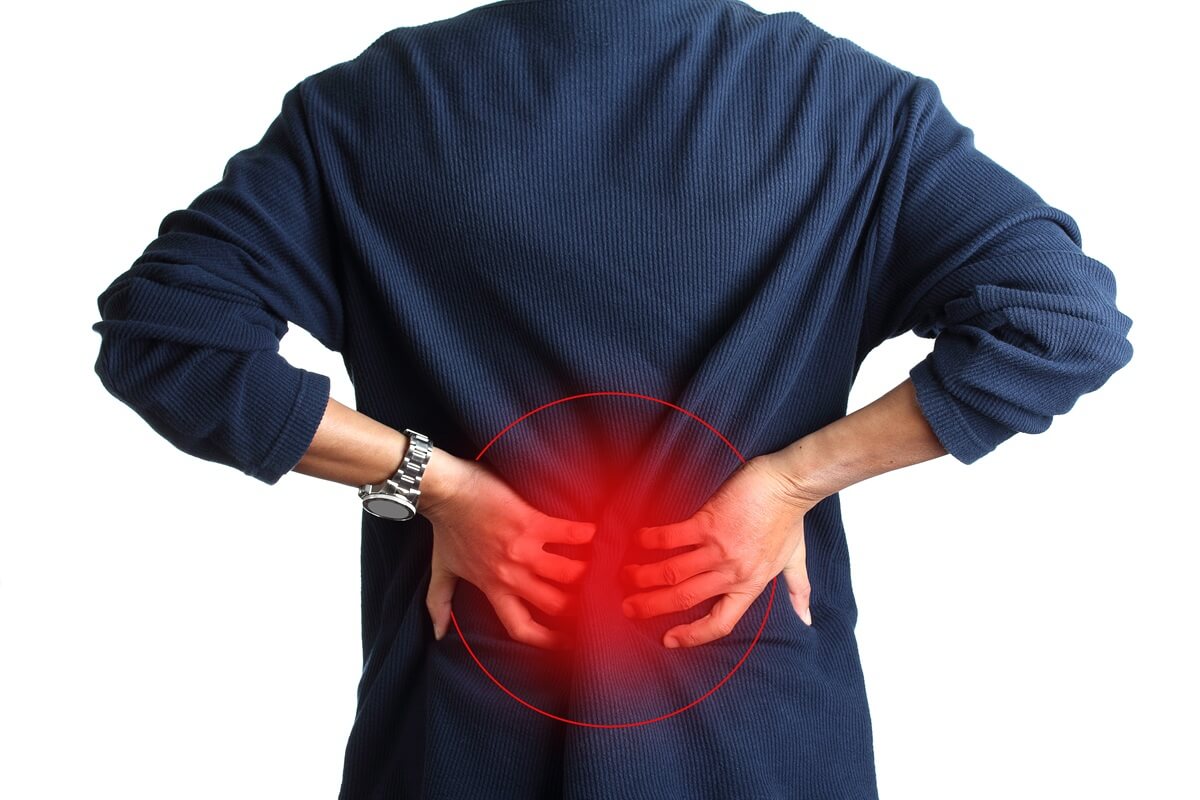

10-May-8-Ways-Pain-Can-Affect-Your-Life_Banner-1200x640.jpg

Pain isn’t just a physical sensation – it impacts your entire life. Whether it’s the sharp, electric jolt of trigeminal neuralgia, the radiating ache of sciatica, or the stiffness of neck and shoulder pain, chronic pain can take a toll on your body, mind, and lifestyle in ways you might not even realize.

Here are 8 ways pain can affect your life…

At LiveWell Hospital, we understand the full picture of pain – and more importantly, how to treat it.

(1) Poor Sleep Quality

Pain makes it hard to fall asleep or stay asleep. Conditions like slipped disc or lower back pain often worsen when lying down, leading to chronic fatigue and irritability.

(2) Limited Mobility

Pain in the back, neck, or joints can restrict movement, making daily tasks like walking, climbing stairs, or even getting out of bed a challenge.

(3) Mental Health Struggles

Chronic pain and emotional health go hand in hand. Long-term discomfort can lead to anxiety, depression, and feelings of hopelessness.

(4) Reduced Work Productivity

Sitting at a desk with back pain or dealing with facial spasms from trigeminal neuralgia can greatly reduce your focus and productivity at work.

(5) Strained Relationships

Pain can limit your social life and make you withdraw from loved ones. Mood swings and the inability to participate in activities can cause tension at home.

(6) Dependency on Medications

Without proper treatment, people often rely on over-the-counter or prescription painkillers long-term, which can have serious side effects.

(7) Reduced Quality of Life

Whether it’s cancelling plans, avoiding travel, or quitting hobbies, pain slowly chips away at your lifestyle and independence.

(8) Ignoring the Root Cause

Many people treat pain symptomatically, but conditions like sciatica, slipped disc, or trigeminal neuralgia need proper diagnosis and advanced intervention.

Hope & Healing at LiveWell Hospital

The good news? You don’t have to live like this.

With specialized care in pain management, our team offers proven, minimally invasive treatments for conditions like:

Take the first step toward a pain-free life. You deserve more than just temporary relief – you deserve long-term healing.

Looking for best pain management hospital in Ahmedabad?

For accurate diagnosis and advanced pain management treatment in Ahmedabad, visit LiveWell Hospital – for best pain specialist in in Ahmedabad, Gujarat.

Book your appointment today!


LiveWell Pain & Spine Hospital India is a new, dedicated facility conveniently located in the heart of Ahmedabad City, Gujarat offering best possible remedy for curing pain. It has a state-of-the-art procedure suite enabling most procedures to be performed on the premises.

Contact Us

Livewell Pain & Spine Hospital
2nd & 5th Floor Rudra Arcade B, Helmet Circle, Memnagar,
Ahmadabad 380 052, Gujarat, INDIA.

+91 98250 40252 , +91 98240 90435

info@livewellhospital.com

Copyright 2026 by LiveWell Hospital. All Rights Reserved.