Blog

CLASSIC LIST

9-May-Pain-Management-for-Back-Pain-1200x801.jpg

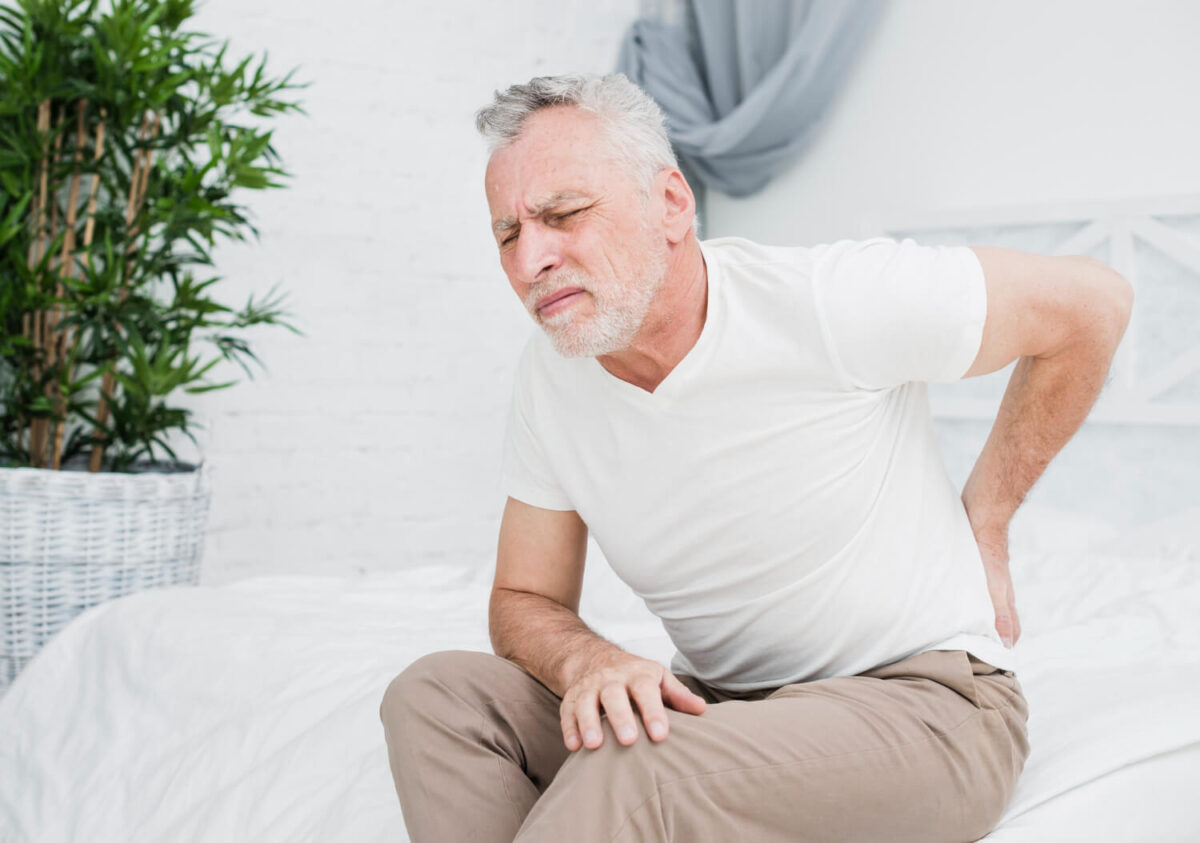
Back pain can start as a minor discomfort and slowly turn into something that affects every part of your life – your sleep, your work, your mood, and your ability to enjoy even simple daily activities. While some back pain may resolve with rest or basic treatment, chronic or severe pain often needs more than just medication or physiotherapy.

That’s where pain management procedures come in—minimally invasive, targeted techniques that relieve pain without the need for major surgery.

At LiveWell Hospital, a leading pain management center and one of the best hospitals for back pain treatment in India, we specialize in advanced therapies designed to help patients regain control of their lives.

Know more about Back Pain Treatment in Ahmedabad.

Why Choose Pain Management for Back Pain?

When conservative approaches like painkillers, hot/cold therapy, or stretching exercises no longer provide relief, it may be time to consult a back pain specialist in Ahmedabad for more focused treatment. Pain management procedures target the specific source of pain—whether it’s a herniated disc, inflamed joint, or irritated nerve – providing relief where it’s needed most.

Common Pain Management Procedures for Back Pain

Here are some of the most effective procedures used today, many of which are available at LiveWell Hospital:

Epidural Steroid Injections

Used to treat inflammation and pain caused by a herniated disc or spinal stenosis. The injection delivers powerful anti-inflammatory medication directly into the epidural space, helping to reduce swelling and relieve pressure on nerves.

Facet Joint Injections

Facet joints are small joints in the spine that help with movement. When these joints become inflamed, they can cause significant back pain. This facet joint injection reduces inflammation in the affected joint and serves both diagnostic and therapeutic purposes.

Transforaminal Nerve Block

This procedure involves injecting medicine near the spinal nerve root to reduce inflammation and nerve irritation. Transforaminal injection is particularly helpful for patients experiencing radiating pain down the leg, often caused by a slipped or bulging disc.

Radiofrequency Ablation (RFA)

One of the most promising procedures for long-term relief from chronic back pain. Radiofrequency Ablation (RFA) uses heat generated by radio waves to target and “turn off” the specific nerves sending pain signals. This is a popular option for those with arthritis-related back pain or failed back surgery syndrome.

Percutaneous Disc Decompression (Nucleoplasty)

For patients with a herniated disc, this minimally invasive technique removes a small portion of the slipped disc to relieve pressure on spinal nerves. It offers significant pain relief with quicker recovery than traditional surgery.

What to Expect After These Procedures?

Most of these treatments are performed on a day-care basis, with minimal downtime. Patients often return to normal activities within a few days. A personalized rehabilitation program, including physical therapy and ergonomic adjustments, can further enhance recovery and prevent recurrence.

When to See a Back Pain Doctor?

If your back pain has lasted more than 4-6 weeks or is affecting your quality of life, it’s time to consult a back pain doctor in Ahmedabad. At LiveWell Hospital, our team of pain specialists uses advanced diagnostic tools and imaging to pinpoint the root cause of your pain and recommend the most appropriate treatment.

Thanks to modern pain management techniques, long-term back pain relief is possible – without the need for surgery.

Looking for best hospital for back pain treatment in India?

For accurate diagnosis and advanced back pain treatment in Ahmedabad, visit LiveWell Hospital – No. 1 hospital for back pain treatment in Ahmedabad, Gujarat.

Book your appointment today! | Back Pain Treatment – Success Stories

Source/s: Banner Image by freepik.com

8-Apr-Toothache-or-Trigeminal-Neuralgia.jpg

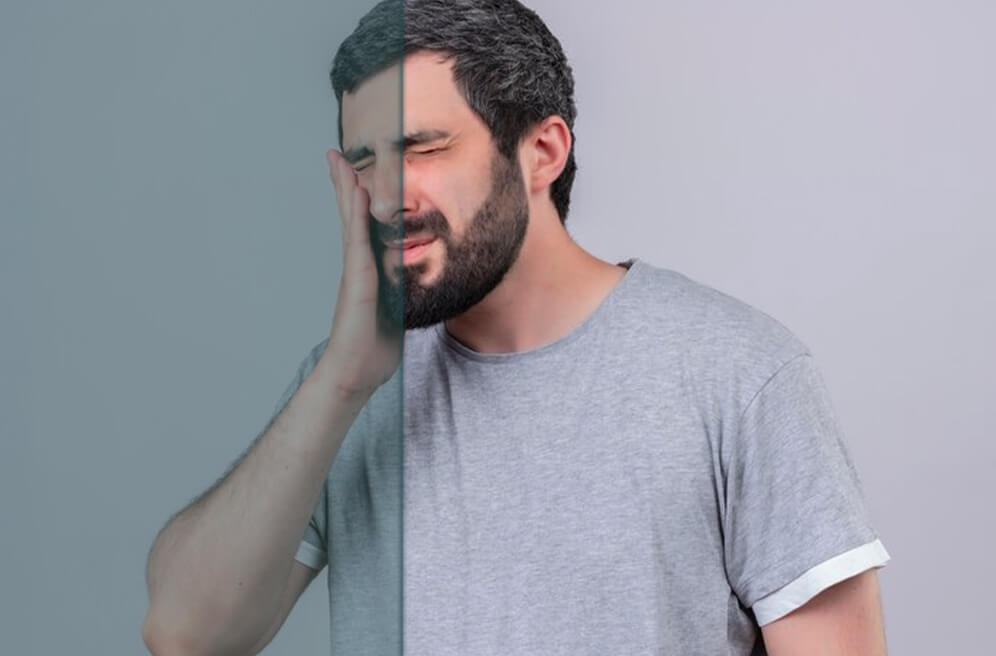
Facial pain can be tricky—and terrifying. Many people experiencing intense, sudden pain in the face assume it’s just a bad toothache. But sometimes, the real culprit is something far more complex: trigeminal neuralgia.

Misdiagnosing trigeminal neuralgia as a dental issue is surprisingly common. In fact, many patients undergo unnecessary dental procedures like root canals or even tooth extractions before they discover the real cause. So, how do you tell the difference between a toothache and trigeminal neuralgia?

Let’s break it down.

So, what exactly is trigeminal neuralgia…

Trigeminal neuralgia is a chronic pain condition that affects the trigeminal nerve—responsible for sensation in the face. Even light touch, wind, or daily activities like brushing teeth can trigger sudden, electric-shock-like pain on one side of the face.

Unlike a toothache, this pain is sharp, stabbing, and comes in short, unpredictable bursts. It can last from seconds to minutes and might strike multiple times a day. Learn more about early signs of trigeminal neuralgia.

If you’re experiencing this kind of intense, one-sided facial pain, you should consult a trigeminal neuralgia specialist rather than heading straight to the dentist.

Toothache vs. Trigeminal Neuralgia: Key Differences

Feature Toothache Trigeminal Neuralgia
Type of Pain Dull, throbbing Sharp, electric shock-like
Duration Constant or slowly increasing Sudden bursts lasting seconds
Triggered by Eating, hot/cold food Light touch, talking, brushing
Location Localized to one tooth or area One side of the face, often near jaw or cheek
Response to dental work Often improves No change or worsens

More about Trigeminal Neuralgia (Educational Videos)

When to Suspect Trigeminal Neuralgia

If your dentist can’t find a clear cause for your pain – or if dental treatments haven’t helped—it may be time to consider a neurological source. At LiveWell Hospital, our facial pain specialists in Ahmedabad often treat patients who’ve gone through months of dental work before finding relief with the correct diagnosis.

Effective Treatments for Trigeminal Neuralgia

At LiveWell Hospital, known as one of the best trigeminal neuralgia treatment centres in Ahmedabad, we offer both non-invasive and advanced options for pain relief.

One of the most promising procedures is Radiofrequency Ablation (RFA). In this minimally invasive treatment, a small needle is used to apply heat to the trigeminal nerve, disrupting the pain signals while preserving normal facial function. RFA is a quick, safe, and effective solution for many patients who haven’t responded well to medication.

In addition to RFA, our team of facial pain specialists in Ahmedabad also uses:

  • Medications to calm nerve activity
  • Nerve blocks for immediate relief
  • Microvascular decompression surgery in select cases

With expert evaluation and modern technology, we ensure each patient gets personalized care that suits their condition best.

Click here to know more about trigeminal neuralgia diagnosis & treatment options.

Conclusion – looking beyond the pain

Living with facial pain isn’t just uncomfortable – it can be life-altering. Certain myths about trigeminal neuralgia & misdiagnosis delays treatment and impacts your quality of life. That’s why it’s important to consult a trigeminal neuralgia doctor in Ahmedabad who understands the condition deeply and can guide you toward lasting relief with medical treatment of trigeminal neuralgia

Looking for current like facial pain treatment in Ahmedabad? Looking for trigeminal specialist in Ahmedabad?

For accurate diagnosis and advanced trigeminal neuralgia treatment in Ahmedabad, visit LiveWell Hospital – No. 1 hospital for trigeminal neuralgia treatment in Ahmedabad, Gujarat.

Book your appointment today! | Trigeminal Neuralgia Treatment – Success Stories

Source/s: Banner Image by freepik.com

7-Apr-Slipped-Disc-Myths.jpg

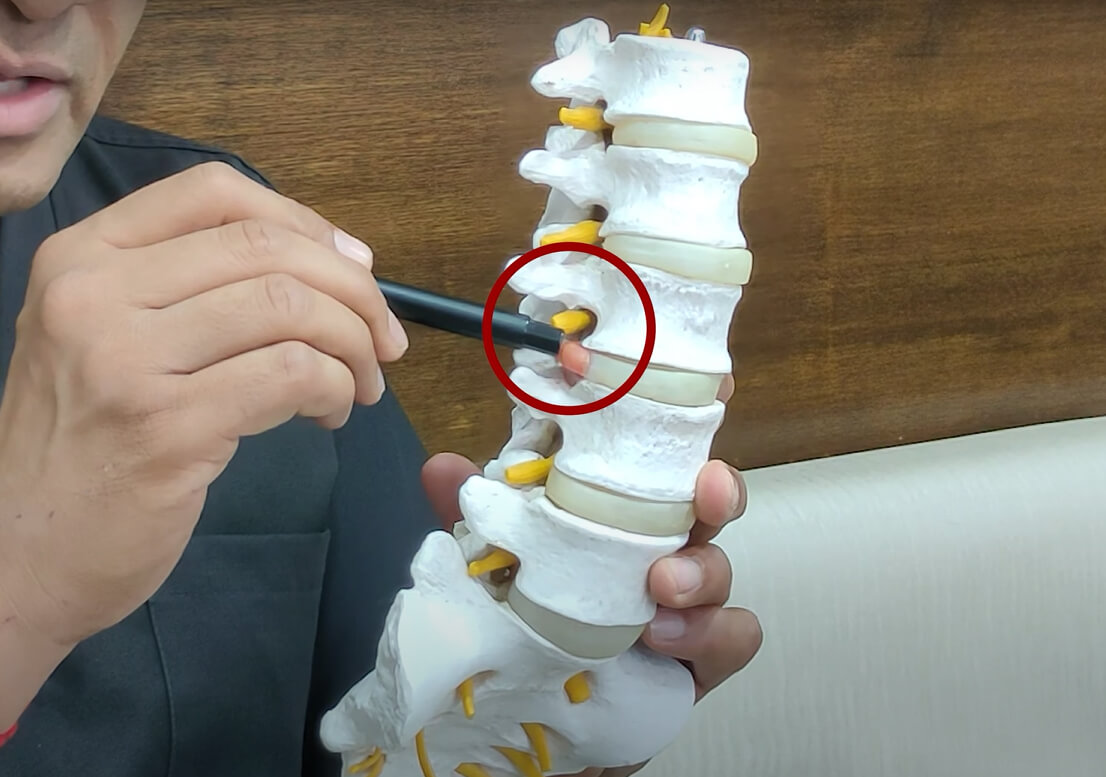
Back pain can be scary—especially when you hear the words slipped disc. Many people imagine a life full of limitations, months of bed rest, or even permanent disability. But the reality is very different. With modern slipped disc treatment, guided by experts, most people go back to living active, fulfilling lives.

Let’s bust the biggest myths and look at what recovery truly looks like.

Myth 1: You’ll Never Walk or Work Normally Again

Many people assume that a slipped or herniated disc means giving up on their job, favorite activities, or even basic routines. The truth? Most patients recover well – without surgery – and return to regular life within weeks or months.

Real people who once struggled to sit, stand, or sleep comfortably have gone on to run businesses, travel, and exercise regularly after undergoing proper herniated disc treatment.

Looking for herniated disc treatment in Ahmedabad? Consult LiveWell Hospital.

Myth 2: You Must Stay on Complete Bed Rest

In the past, patients were told to avoid movement for long periods. But now we know prolonged rest can actually make things worse. Staying active (with professional guidance) is one of the best ways to heal.

Physical therapy, gentle stretching, and posture correction – At LiveWell Hospital this is often guided by our slipped disc specialist in Ahmedabad – to help the disc heal faster and prevent future problems.

SEE ALSO: Can a Slipped Disc Heal on Its Own?

Myth 3: Surgery Is the Only Option

This is one of the most common and dangerous myths. In reality, non-surgical and minimally invasive treatments work effectively for many people. Here’s how modern slipped disc treatment in Ahmedabad at LiveWell Pain Hospital is changing lives:

Non-Surgical Approaches

  • Physical Therapy – Strengthens core muscles, improves spinal support, and reduces disc pressure.
  • Medication – Pain relievers and anti-inflammatory drugs help manage symptoms.
  • Epidural Injections – Reduce inflammation and nerve irritation for lasting relief.
  • Lifestyle Modifications – Proper posture, weight management, and ergonomic changes can prevent worsening symptoms.

Advanced Pain Management Procedures

If conservative treatments fail to provide relief, minimally invasive interventions are available, including:

  • Transforaminal Block – A targeted injection to reduce nerve swelling and alleviate pain, performed under live X-ray guidance.
  • Percutaneous Disc Decompression (Nucleoplasty) – A non-surgical bulging disc treatment that removes a portion of the herniated disc through a needle, relieving pressure on the nerve roots.
  • Endoscopic Disc Removal – A modern, minimally invasive technique where the bulging disc is removed under direct vision using an endoscope, offering faster recovery and less post-procedure pain.

Surgical Treatments

In severe cases, surgery such as laminectomy may be required to relieve excessive pressure on the spinal cord and nerve roots. This procedure is performed under general anesthesia to remove the affected disc portion and restore nerve function.

Looking for the best slip disc treatment in Ahmedabad? Click here to know more.

Life After Slipped Disc Treatment – A New Beginning

Slipped disc is a setback—but not the end of the road. People who feared never walking pain-free again are now jogging in parks, lifting their children, or sitting through long meetings without discomfort. The key is early diagnosis, the right treatment plan, and lifestyle changes to prevent recurrence.

If you or someone you know is struggling with slipped disc symptoms, don’t lose hope. You don’t have to live in pain or fear. With today’s treatment options, recovery is not only possible – it’s common.

Schedule a consultation with LiveWell Hospital – No. 1 hospital for slipped disc treatment in Ahmedabad and take the first step toward recovery. #HealWithLiveWell

NOTE or SOURCE:
Banner image used is the intellectual property of LiveWell Hospital & is subject to copyrights owned by LiveWell Hospital, Ahmedabad.


3-Mar-Frozen-Shoulder-Stages-1200x840.jpg

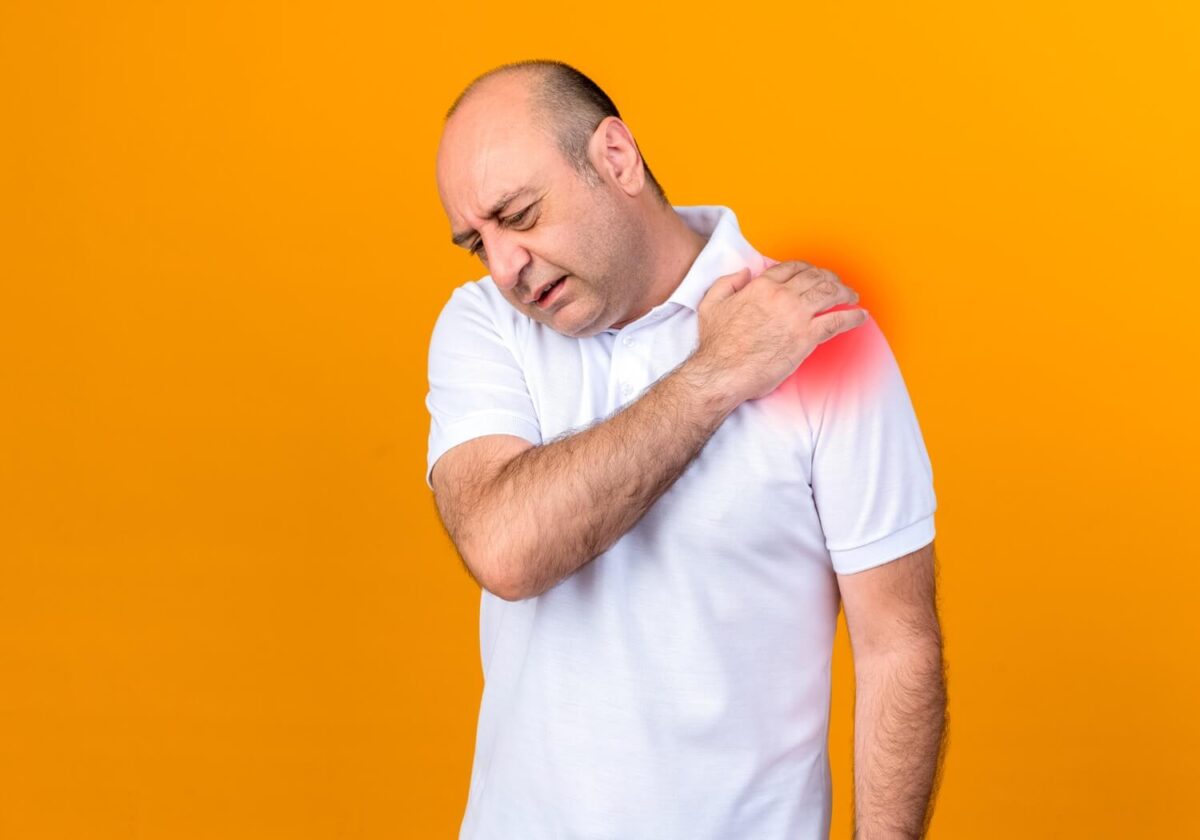
Frozen shoulder, also known as adhesive capsulitis, is a condition where the shoulder joint becomes stiff and painful, limiting movement. It typically develops in three stages and can take up to 2-3 years to fully resolve if left untreated.

Understanding the 3 stages of frozen shoulder can help you recognize the condition and seek timely treatment at LiveWell Hospital, your trusted healthcare partner for pain management in Ahmedabad. Early diagnosis and proper care from a frozen shoulder specialist can significantly improve recovery.

3 Stages of Frozen Shoulder

Stage 1: Freezing Stage (Lasts 6 weeks to 9 months)

In the freezing stage, you may experience:

  • Gradual onset of shoulder pain that worsens over time.
  • Increased pain at night and stiffness when moving the arm.

Management:

  • Pain relief with NSAIDs, ice packs, and heat therapy.
  • Gentle stretching exercises to prevent further stiffness.
  • Physical therapy for improved shoulder pain management.

At LiveWell Hospital, our experienced frozen shoulder doctor will conduct a thorough examination to diagnose your condition and initiate a personalized shoulder pain management plan.

Stage 2: Frozen Stage (Lasts 4 to 12 months)

In this stage, the pain may reduce, but the stiffness becomes more pronounced:

  • Difficulty raising your arm or reaching behind your back.
  • Limited range of motion affecting daily activities.

Management:

  • Continued physical therapy to improve mobility.
  • Corticosteroid injections for pain relief.
  • Avoid aggressive movements to prevent injury.

LiveWell Hospital offers comprehensive shoulder pain treatment during this stage, focusing on physical therapy techniques and targeted exercises designed to gradually improve your range of motion.

Stage 3: Thawing Stage (Lasts 6 months to 2 years)

The thawing stage is when the shoulder gradually improves:

  • Increased range of motion and reduced pain.
  • Regaining strength and flexibility over time.

Management:

  • Strengthening exercises to restore full function.
  • Regular stretching to prevent stiffness from returning.
  • Continued physical therapy for long-term recovery.

When to consult a frozen shoulder specialist

If your shoulder pain is severe or persists despite home care, it’s important to consult a frozen shoulder specialist. Early diagnosis and intervention are crucial for effective management of frozen shoulder. If you are experiencing persistent shoulder pain and stiffness, don’t delay seeking help.

At LiveWell Hospital, the No. 1 Hospital for frozen shoulder treatment in Ahmedabad, we offer a range of non-surgical treatments to relieve pain and restore mobility, including:

  • Medication: Anti-inflammatory drugs to reduce pain and swelling.
  • Physical Therapy: Shoulder mobilization therapy and targeted exercises to improve flexibility and restore movement.
  • Hot and Cold Therapy: Applying heat or ice packs to alleviate discomfort.

If pain persists despite medications and therapy, our specialists may recommend:

  • Intra-Articular Injections: Anti-inflammatory injections inside the shoulder joint to reduce pain and inflammation.
  • Hyaluronic Acid (Jelly Injection): Improves joint lubrication and mobility.
  • Hydrodilatation: A saline and steroid injection technique that expands the joint capsule for better movement.
  • Manipulation Under Anesthesia (MUA): A procedure where the doctor gently moves the joint under anesthesia to break adhesions and restore motion.

At LiveWell Hospital, we offer the best frozen shoulder treatment in Ahmedabad with a team of experienced doctors and effective recovery.

Know more about diagnosis & treatment of frozen shoulder – Click here!

Looking for a frozen shoulder specialist in Ahmedabad? Book your appointment.

Source/s: Banner image by freepik.com


3-Mar-Slipped-Disc.jpg

A slipped disc – also known as a herniated or prolapsed disc—can cause significant discomfort, affecting your daily activities and mobility. Many people believe that a slipped disc will heal on its own with rest, but is that really true? While mild cases may improve over time, ignoring persistent symptoms can lead to worsening pain and complications.

Seeking timely consultation with a slipped disc specialist in Ahmedabad ensures proper evaluation and the best hospital for herniated disc treatment to prevent long-term damage.

Understanding a Slipped Disc

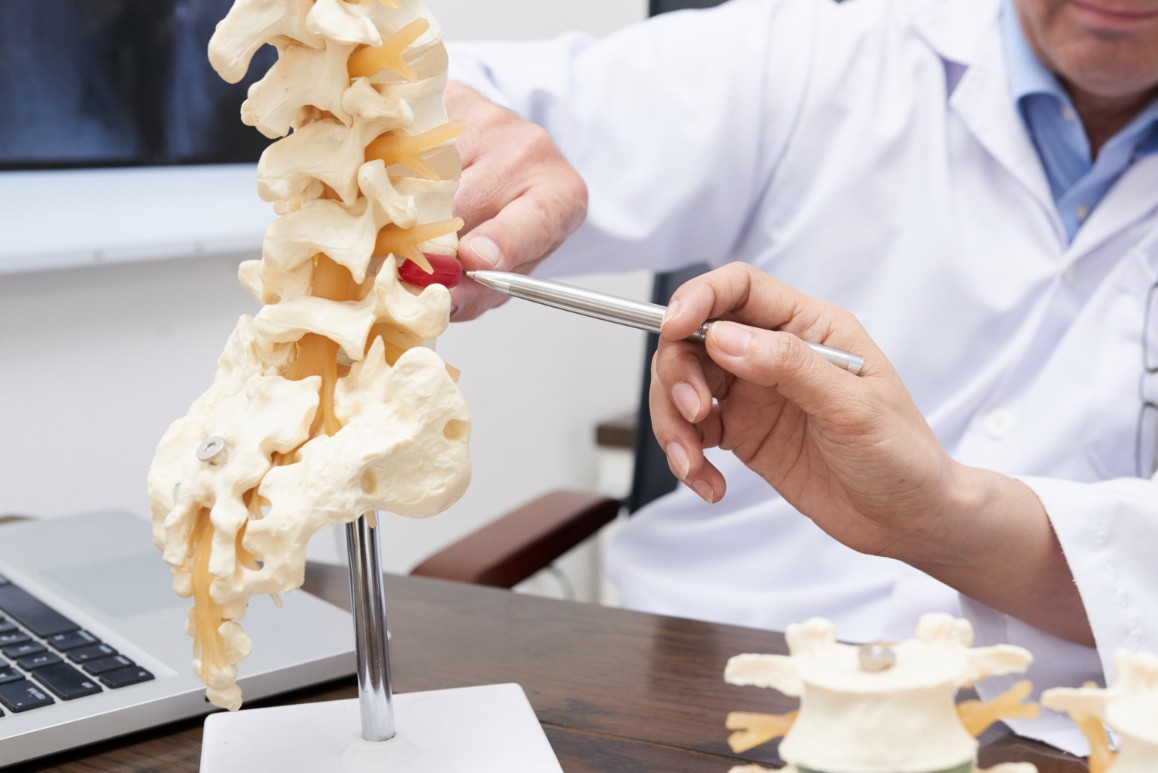
The spine is made up of vertebrae cushioned by discs that act as shock absorbers. When the soft inner core of a disc pushes through the tough outer layer, it can irritate nearby nerves, leading to pain, numbness, and weakness. The severity of symptoms depends on the degree of nerve compression and the location of the slipped disc.

Can a slipped disc heal naturally? On its own?

In some mild cases, the body can gradually reabsorb the herniated portion of the disc, reducing inflammation and pain. However, this process can take months and is not guaranteed. Meanwhile, untreated herniated slipped disc can worsen, leading to chronic discomfort, reduced mobility, and potential nerve damage.

Risks of Ignoring a Slipped Disc

1. Persistent or Worsening Pain
If a slipped disc continues pressing on a nerve, pain may become chronic and harder to treat.

2. Nerve Damage
Prolonged nerve compression can lead to weakness, numbness, or even loss of function in affected areas.

3. Loss of Bladder or Bowel Control
In rare cases, severe disc herniation can compress nerves controlling bladder and bowel function, requiring emergency medical attention.

4. Reduced Quality of Life
Ignoring symptoms can make simple activities like walking, sitting, or sleeping difficult, impacting your daily routine and overall well-being.

When to see a pain specialist

If you experience ongoing back pain, leg pain, or numbness that affects your ability to move or function, consulting a slipped disc specialist in Ahmedabad is crucial. Early intervention can prevent further complications and help restore mobility faster.

What are the slipped disc treatment options?

Non-Surgical Approaches
Many patients benefit from non-invasive treatments, including:

  • Physical Therapy – Strengthening exercises improve posture and relieve pressure on the disc.
  • Medication – Pain relievers and anti-inflammatory drugs help manage symptoms.
  • Epidural Injections – Reduce inflammation and nerve irritation for lasting relief.
  • Lifestyle Modifications – Proper posture, weight management, and ergonomic changes can prevent worsening symptoms.

Advanced Pain Management Procedures
If conservative treatments fail to provide relief, minimally invasive interventions are available, including:

  • Transforaminal Block – A targeted injection to reduce nerve swelling and alleviate pain, performed under live X-ray guidance.
  • Percutaneous Disc Decompression (Nucleoplasty) – A non-surgical bulging disc treatment that removes a portion of the herniated disc through a needle, relieving pressure on the nerve roots.
  • Endoscopic Disc Removal – A modern, minimally invasive technique where the bulging disc is removed under direct vision using an endoscope, offering faster recovery and less post-procedure pain.

Surgical Treatments
In severe cases, surgery such as laminectomy may be required to relieve excessive pressure on the spinal cord and nerve roots. This procedure is performed under general anesthesia to remove the affected disc portion and restore nerve function.

Looking for the best slipped disc treatment in Ahmedabad? Click here to know more.

Don’t Ignore the Pain – Seek Expert Care

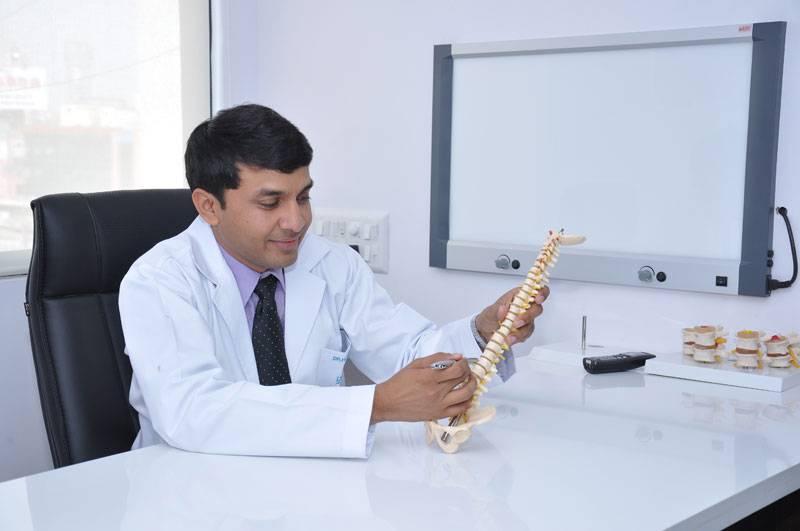
At LiveWell Hospital, our team of specialists, led by Dr. Hitesh Patel, the best slipped disc specialist in Ahmedabad, Gujarat, employs advanced diagnostic techniques to identify the root cause of your slipped disc.

If you’re experiencing persistent back pain, don’t wait – schedule a consultation with LiveWell Hospital – No. 1 hospital for slip disc treatment in Ahmedabad and take the first step toward recovery.

Source/s: Banner image by freepik.com


2-Feb-Chronic-Sciatica-Do-not-ignore-pain-1200x843.jpg

Sciatica is a condition that causes sharp, radiating pain along the path of the sciatic nerve, which runs from the lower back down to the legs. While occasional flare-ups may resolve on their own, chronic sciatica requires medical attention. Ignoring persistent sciatica pain treatment in Ahmedabad can lead to long-term complications that may affect mobility, daily activities, and overall quality of life.

Understanding Chronic Sciatica

Sciatica occurs when the sciatic nerve is compressed due to conditions such as herniated discs, spinal stenosis, or muscle inflammation. While some individuals experience mild discomfort, others suffer from severe pain that disrupts their daily routine. Chronic sciatica, if left untreated, can cause muscle weakness, numbness, and even permanent nerve damage.

Risks of Ignoring Sciatica Pain

1. Increased Nerve Damage
Prolonged nerve compression can result in irreversible nerve damage, leading to chronic back pain and reduced sensation in the legs. Early intervention with the best treatment for sciatica pain can prevent this from happening.

2. Reduced Mobility and Weakness
Sciatica affects leg strength and movement, making simple tasks like walking or standing difficult. Seeking help from a sciatica specialist in Ahmedabad ensures that the condition is managed before mobility issues become permanent.

3. Development of Chronic Pain Syndrome
Long-term sciatica pain can alter the way the brain processes pain signals, leading to chronic pain syndrome. This makes pain management more challenging and affects overall well-being.

4. Bladder and Bowel Dysfunction
Severe cases of untreated sciatica, particularly those caused by spinal conditions, can lead to incontinence. If you experience this symptom, it is crucial to visit a hospital for sciatica treatment immediately.

Why Early Intervention Matters

The good news is that timely medical care can prevent these complications. Consulting a sciatica doctor in Ahmedabad helps identify the root cause and develop a treatment plan tailored to your needs.

Non-Surgical Treatment Approaches for Sciatica

Many patients prefer sciatica without surgery, as non-invasive treatments can effectively manage pain and restore function. Options include:

  • Physiotherapy: Strengthens muscles and improves flexibility.
  • Medication: Pain relievers and anti-inflammatory drugs reduce symptoms.
  • Epidural Injections: Helps reduce nerve inflammation.
  • Lifestyle Modifications: Proper posture and regular exercise prevent flare-ups.

Advanced Medical Treatments

For severe cases, advanced procedures like radiofrequency ablation or minimally invasive surgery may be required. A sciatica specialist in Ahmedabad can determine the best course of action based on the severity of the condition.

READ ALSO: Comprehensive Back Pain and Sciatica Treatment

Take the First Step Towards Pain Relief

Ignoring sciatica pain can have lasting consequences. Seeking professional care for sciatica pain treatment in Ahmedabad can improve mobility, reduce discomfort, and prevent complications. If you or a loved one is struggling with sciatica, consult a specialist today and take the first step toward a pain-free life.

At LiveWell Hospital, our team of experienced pain specialists offers cutting-edge treatments and personalized care to help you regain a pain-free life.

Looking for best sciatica treatment hospital in Gujarat? Contact us today to schedule a consultation with best pain physician in Ahmedabad.

Source/s: Banner image by freepik.com


20b-1.jpg

As the festive lights of Diwali brighten the winter nights, many people eagerly prepare to celebrate this joyous occasion. However, for individuals dealing with various forms of pain, this season can bring additional challenges and discomfort. Live Well Hospital, under the guidance of Dr. Hitesh Patel, stands ready to offer relief and support during this time. In this blog, we’ll explore how Diwali and winter can exacerbate pain and discuss ways to avoid falling into the clutches of increased discomfort, while highlighting how Live Well Hospital can provide effective pain management.

Understanding the Impact of Diwali and Winter on Pain

  1. Cold Weather and Joint Pain: Winter brings lower temperatures, which can lead to increased joint stiffness and pain in individuals with conditions like arthritis. Cold weather can also constrict blood vessels, making muscles and joints ache.
  2. Excessive Physical Activity: Diwali preparations and celebrations often involve extensive physical activity, including cleaning, decorating, and festive rituals. For individuals already experiencing pain, such activities can strain muscles and exacerbate pain.
  3. Stress and Anxiety: Preparing for Diwali, managing social commitments, and financial stress can lead to heightened levels of stress and anxiety. These emotional states can amplify pain, especially for individuals with conditions like fibromyalgia or tension-related headaches.
  4. Dietary Choices: Diwali is synonymous with indulgent foods, including sugary sweets and fried snacks. Unhealthy dietary choices can worsen pain symptoms in individuals with conditions like irritable bowel syndrome (IBS) or migraines.

Live Well Hospital: Your Partner in Pain Management

Live Well Hospital, led by Dr. Hitesh Patel, specializes in providing comprehensive pain management solutions for a wide range of conditions, including those exacerbated during Diwali and winter. Here’s how Live Well Hospital can help:

  1. Precise Diagnosis: Accurate diagnosis is the first step in effective pain management. Dr. Hitesh Patel and his team employ advanced diagnostic tools to understand the root cause of pain, whether it’s related to joints, muscles, nerves, or other factors.
  2. Tailored Treatment Plans: Each patient receives a personalized treatment plan that considers their unique pain triggers and experiences. This plan may include minimally invasive procedures, medication management, or physical therapy.
  3. Pain Relief Interventions: For patients dealing with increased pain during the festive season, Live Well Hospital offers a range of pain relief interventions, such as nerve blocks, epidural injections, and facet joint injections, to alleviate discomfort and promote a faster recovery.
  4. Psychological Support: Recognizing the link between emotional and physical pain, Live Well Hospital provides psychological support for patients experiencing stress, anxiety, or depression.

Tips to Avoid Increased Pain During Diwali and Winter:

  1. Stay Warm: Dress in layers to keep warm during the winter months, especially if you have joint pain. Using heating pads or warm compresses can also help alleviate discomfort.
  2. Moderation in Activities: Pace yourself during Diwali preparations. Divide tasks into manageable portions and take frequent breaks to avoid overexertion.
  3. Healthy Eating: Enjoy Diwali sweets and snacks in moderation, and balance them with nutritious foods. Limit your intake of sugary and fatty treats.
  4. Stress Management: Practice stress-reduction techniques like meditation, yoga, or deep breathing exercises to maintain emotional well-being.
  5. Consult a Specialist: If you experience increased pain or discomfort during this season, don’t hesitate to consult a pain management specialist like Dr. Hitesh Patel at Live Well Hospital for a precise diagnosis and tailored treatment plan.

Diwali and winter can bring both joy and additional pain-related challenges for many individuals. To navigate this season with more comfort and less pain, it’s essential to take precautions and seek professional help when needed. Live Well Hospital, under the expert guidance of Dr. Hitesh Patel, offers specialized pain management solutions to address various pain-related conditions exacerbated during this time. By combining healthy lifestyle choices and effective pain management, you can enjoy the festivities of Diwali while maintaining your well-being.


img-3.jpg

Pain is a universal human experience. It can range from a fleeting discomfort to a chronic, debilitating condition, impacting every aspect of our lives. While pain is a normal response to injury or illness, it can become a serious problem when it persists or worsens. Fortunately, advancements in medical science and dedicated professionals like Dr. Hitesh Patel at Live Well Hospital in Ahmedabad offer excellent treatment for various types of pain.

Types of Pain

Before delving into the exceptional care provided by Dr. Hitesh Patel and Live Well Hospital, let’s understand the different types of pain:

  1. Acute Pain: This type of pain is typically caused by an injury or a specific medical condition. It is sharp and sudden and often serves as a warning sign for potential damage or harm. Acute pain usually resolves when the underlying cause is treated.
  2. Chronic Pain: Chronic pain persists over a long period and is often associated with conditions like arthritis, fibromyalgia, or nerve damage. It can be debilitating and significantly affect one’s quality of life.
  3. Neuropathic Pain: Neuropathic pain results from damage to the nervous system. It is often described as a burning, shooting, or stabbing pain. Conditions like diabetic neuropathy and post-herpetic neuralgia are examples of neuropathic pain.
  4. Cancer Pain: Cancer-related pain can result from the disease itself or its treatment. The pain can be acute or chronic and may vary in intensity.
  5. Psychological Pain: Psychological pain is often related to emotional and mental health issues. Conditions such as depression and anxiety can manifest as physical pain, making it challenging to diagnose and treat.
  6. Musculoskeletal Pain: Musculoskeletal pain involves the bones, muscles, and connective tissues. Conditions like osteoarthritis and back pain fall into this category.
  7. Visceral Pain: Visceral pain originates from the internal organs, often due to inflammation, obstruction, or stretching of the organs. Conditions like appendicitis and gallstones can cause visceral pain.

Treatment at Live Well Hospital

Live Well Hospital in Ahmedabad, led by the renowned pain management specialist Dr. Hitesh Patel, is dedicated to providing comprehensive care for all types of pain. Here are some of the ways in which Live Well Hospital excels in offering top-notch pain management:

  1. Multidisciplinary Approach: Dr. Hitesh Patel and his team employ a multidisciplinary approach to pain management. They collaborate with specialists from various fields, including neurology, orthopedics, psychology, and physical therapy, to create tailored treatment plans for each patient.
  2. Advanced Interventions: Live Well Hospital offers state-of-the-art pain management techniques, such as epidural injections, nerve blocks, and radiofrequency ablation, to target the source of pain directly. These interventions are minimally invasive and can provide long-lasting relief.
  3. Pharmacological Management: When necessary, Dr. Hitesh Patel may prescribe medications to alleviate pain. He carefully evaluates each patient’s condition to determine the most appropriate medication and dosage.
  4. Physical Therapy: Physical therapy plays a crucial role in pain management. Live Well Hospital offers specialized physical therapy programs to help patients regain mobility, strength, and functionality.
  5. Psychological Support: Recognizing the connection between mental and physical health, Live Well Hospital provides psychological support to patients experiencing psychological pain or pain-related anxiety and depression.
  6. Patient-Centric Care: The team at Live Well Hospital is committed to patient-centered care. They take the time to understand the unique needs and concerns of each patient, ensuring that the treatment plan aligns with the individual’s goals and expectations.
  7. Comprehensive Pain Management: Live Well Hospital specializes in managing a wide range of pain types, including cancer pain, neuropathic pain, and musculoskeletal pain. This comprehensive approach ensures that patients receive the most appropriate and effective care.

Pain can significantly affect one’s quality of life, but with the right care and expertise, it is often manageable. Dr. Hitesh Patel and the team at Live Well Hospital in Ahmedabad provide exemplary treatment for all types of pain, addressing not only the physical aspects but also the emotional and psychological impact of pain. Their commitment to patient-centric, multidisciplinary care, advanced interventions, and comprehensive pain management makes Live Well Hospital a trusted destination for those seeking relief from pain. Don’t let pain control your life – reach out to Live Well Hospital for the care you deserve.


img1-1.jpg

Trigeminal Neuralgia (TN) is a rare but excruciatingly painful condition that affects countless individuals in India. The condition is characterized by severe, stabbing pain in the face, often triggered by simple activities like eating, speaking, or even a gentle breeze. Fortunately, Live Well Hospital in Ahmedabad, under the expert guidance of Dr. Hitesh Patel, offers a lifeline for those battling this debilitating condition.

Understanding Trigeminal Neuralgia

Trigeminal Neuralgia, often referred to as “the suicide disease,” is a nerve disorder that affects the trigeminal nerve, which is responsible for transmitting sensations from the face to the brain. The hallmark of TN is sudden and severe facial pain, often described as electric shocks, that can last from a few seconds to several minutes. These painful episodes can be triggered by everyday activities like chewing, speaking, or even touching the face.

The impact of TN on the lives of those affected is profound. The constant fear of triggering an episode can lead to social isolation, depression, and a decreased quality of life. Many individuals suffering from TN find it challenging to lead a normal life due to the debilitating pain.

Dr. Hitesh Patel and Live Well Hospital

Dr. Hitesh Patel is a highly regarded pain management specialist in India, with extensive experience in treating complex pain conditions, including Trigeminal Neuralgia. His commitment to delivering patient-centric, cutting-edge care has made him a beacon of hope for TN sufferers in the country.

Here’s how Dr. Hitesh Patel and Live Well Hospital excel in treating Trigeminal Neuralgia:

  1. Accurate Diagnosis: Trigeminal Neuralgia is often misdiagnosed, as its symptoms can overlap with other conditions. Dr. Hitesh Patel’s expertise ensures a precise diagnosis, differentiating TN from other potential causes of facial pain.
  2. Individualized Treatment Plans: Every TN patient is unique, and their treatment should be tailored to their specific needs. Dr. Hitesh Patel and his team create personalized treatment plans that consider the patient’s medical history, pain severity, and triggers.
  3. Minimally Invasive Procedures: Dr. Hitesh Patel employs minimally invasive techniques to alleviate the excruciating pain of TN. These procedures include nerve blocks, radiofrequency ablation, and even in some cases, microvascular decompression, a surgical procedure to alleviate pressure on the trigeminal nerve.
  4. Pain Medications: When necessary, Dr. Hitesh Patel may prescribe medications to manage TN pain. These medications are carefully selected to minimize side effects and maximize pain relief.
  5. Psychological Support: Living with Trigeminal Neuralgia can take a significant toll on mental health. Dr. Hitesh Patel’s compassionate approach includes providing psychological support to help patients cope with the emotional aspects of their condition.
  6. Long-term Care: TN is often a chronic condition, and managing it effectively requires long-term care. Dr. Hitesh Patel and Live Well Hospital provide ongoing support and follow-up care to ensure patients continue to live pain-free lives.

Trigeminal Neuralgia is a formidable adversary, but with the right care and expertise, its devastating impact can be mitigated. Dr. Hitesh Patel and Live Well Hospital in Ahmedabad offer hope and relief for those battling this condition. Their commitment to precise diagnosis, individualized treatment, minimally invasive procedures, and comprehensive care make them a trusted destination for Trigeminal Neuralgia sufferers in India.

If you or someone you know is living with the agony of Trigeminal Neuralgia, don’t suffer in silence. Reach out to Dr. Hitesh Patel and Live Well Hospital, where pain relief and a better quality of life are within reach. Together, they are redefining the future for TN patients in India.


Asset-1@4x-80-1200x1200.jpg

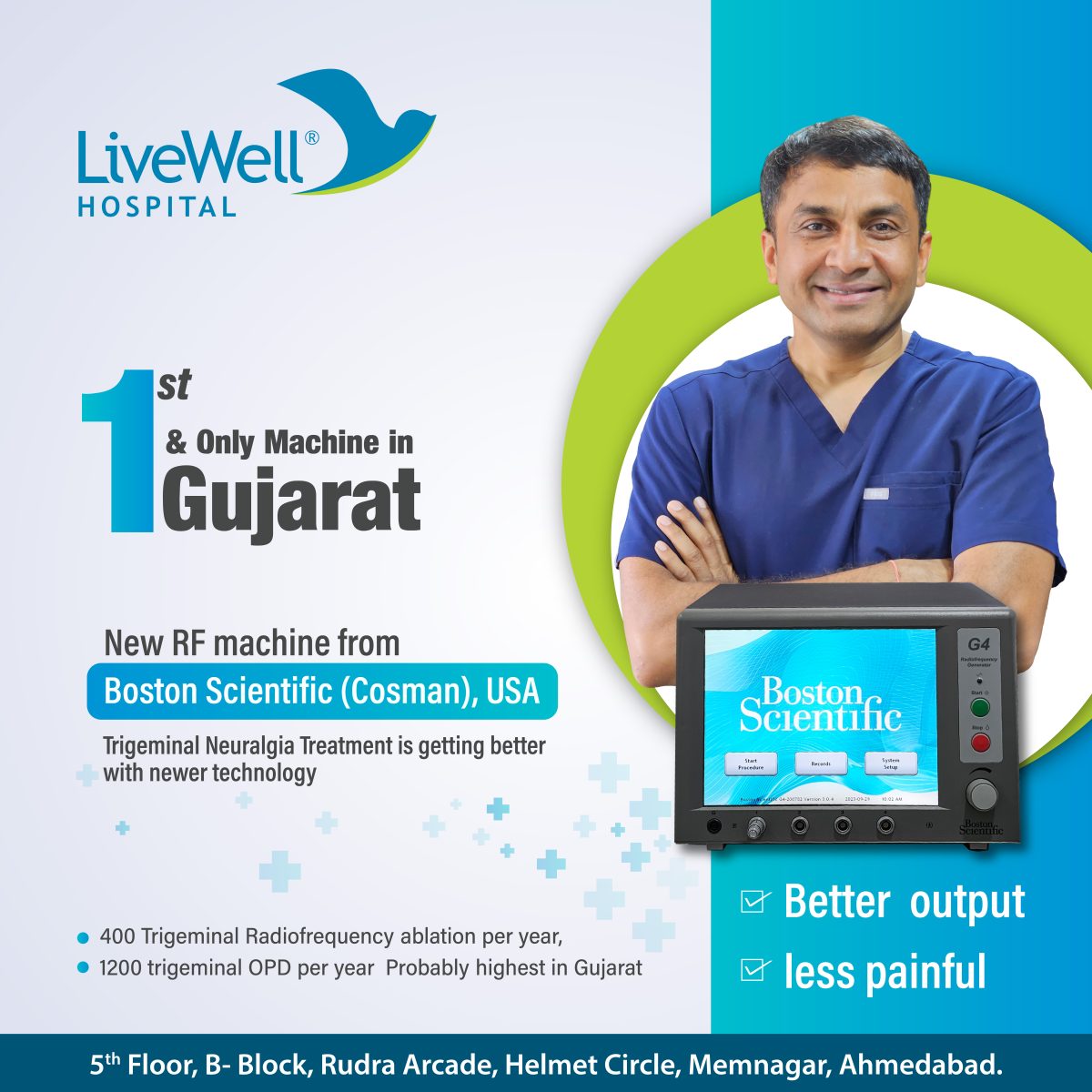
Trigeminal Neuralgia Treatment getting better at LiveWell Hospital

Introducing Cutting-Edge Relief: Boston Scientific’s Radio-frequency Machine for Trigeminal Neuralgia

This is the first and only kind of Radiofrequency machine installed in Gujarat. Best Hospital for Trigeminal neuralgia in Gujarat

Discover a breakthrough in pain management at Livewell Hospital, Gujarat’s premier Pain and Spine Hospital. We’re proud to introduce the latest innovation from Boston Scientific, a leading name in medical technology. This is the first and only installed machine as of October 2023 in Gujarat.

Are you or a loved one suffering from the debilitating effects of Trigeminal Neuralgia? Experience a new level of hope and comfort with our state-of-the-art Radiofrequency machine. This cutting-edge technology, sourced directly from the USA, is set to revolutionize how we treat this challenging condition.

Why Livewell Hospital?

At Livewell, we’re dedicated to providing top-notch care and innovative solutions. Our team of experienced specialists is committed to delivering personalized treatment plans, ensuring you receive the attention and care you deserve.

Benefits of Boston Scientific’s Radiofrequency Machine:

  1. Precise Targeting: Pinpoint accuracy ensures optimal treatment, minimizing discomfort and maximizing results.
  2. Advanced Technology: Harnessing the power of Boston Scientific’s technology, we’re setting new standards in pain relief.
  3. Faster Recovery: Experience quicker recovery times, allowing you to return to your daily activities with ease.
  4. Trusted Expertise: Our team of skilled professionals has a proven track record in treating Trigeminal Neuralgia.

Don’t let Trigeminal Neuralgia control your life. Take the first step towards a pain-free future. Contact Livewell Hospital today and schedule your consultation.

Address: Livewell Hospital, 5th Floor Rudra Arcade Block B helmet circle, Memnagar Ahmedabad

Phone: 9825040252

For more information on Trigeminal neuralgia https://www.youtube.com/watch?v=B_d5zvh00Uw&t=15s


LiveWell Pain & Spine Hospital India is a new, dedicated facility conveniently located in the heart of Ahmedabad City, Gujarat offering best possible remedy for curing pain. It has a state-of-the-art procedure suite enabling most procedures to be performed on the premises.

Contact Us

Livewell Pain & Spine Hospital
2nd & 5th Floor Rudra Arcade B, Helmet Circle, Memnagar,
Ahmadabad 380 052, Gujarat, INDIA.

+91 98250 40252 , +91 98240 90435

info@livewellhospital.com

Copyright 2026 by LiveWell Hospital. All Rights Reserved.