
Blog

CLASSIC LIST

5-Mar-TGN-Myths-and-Facts.jpg

Trigeminal neuralgia, often called the “suicide disease,” is one of the most painful conditions affecting the facial nerves. Despite being a recognized medical condition, several myths surround it, often leading to confusion and delayed treatment. Let’s debunk some common myths with facts to help you understand this condition better and make informed decisions about seeking the best trigeminal neuralgia treatment hospital in Ahmedabad, Gujarat.

Myth 1: Trigeminal Neuralgia is Just a Headache

Fact: Trigeminal neuralgia is not a headache but a neurological condition that affects the trigeminal nerve, causing sharp, stabbing facial pain. It is triggered by activities like chewing, talking, or even light touch. If you experience such pain, consult a trigeminal neuralgia specialist in Ahmedabad for an accurate diagnosis and effective treatment.

Myth 2: Trigeminal Neuralgia Affects Only the Elderly

Fact: While trigeminal neuralgia is more common in people over 50, it can affect younger individuals as well. Early diagnosis and timely intervention, such as RFA for trigeminal neuralgia, can significantly improve the quality of life regardless of age.

Myth 3: Surgery is the Only Treatment Option

Fact: Surgery is not the only option for trigeminal neuralgia. Non-surgical treatments like medications, nerve blocks, and RFA for trigeminal neuralgia (Radiofrequency Ablation) can effectively manage pain in many patients. Consult a specialist to explore minimally invasive treatment options.

Myth 4: Trigeminal Neuralgia is Always Caused by a Nerve Injury

Fact: While nerve injury or compression can cause trigeminal neuralgia, it can also occur without an obvious structural issue. Conditions like multiple sclerosis can sometimes trigger the disease. At LiveWell Hospital, one of the best trigeminal neuralgia treatment hospital in Ahmedabad, Gujarat we go through a thorough evaluation to help identify the underlying cause.

Myth 5: Trigeminal Neuralgia Pain is Constant

Fact: The pain in trigeminal neuralgia is episodic rather than constant. Patients experience sudden, severe bouts of pain lasting from a few seconds to minutes, followed by pain-free intervals. Seek a pain management expert who specializes in neurological conditions, without any delay.

Looking for effective trigeminal neuralgia treatment in Ahmedabad? Contact us.

Myth 6: Trigeminal Neuralgia is Untreatable

Fact: With advances in medical science, trigeminal neuralgia is highly treatable. Minimally invasive procedures like RFA for trigeminal neuralgia offer significant pain relief. LiveWell Hospital, known for its multidisciplinary care, is a trusted name for those seeking treatment from a trigeminal neuralgia specialist in Ahmedabad.

Takeaway…

If you or a loved one suffers from this debilitating facial pain, don’t let myths delay your treatment. Consult the experts at LiveWell Hospital, the best trigeminal neuralgia treatment hospital in Ahmedabad, Gujarat, and regain control of your life with advanced care.

Contact LiveWell Hospital today to schedule a consultation with a facial pain specialists in Ahmedabad.

Source/s: Banner Image by freepik.com

3-Mar-Frozen-Shoulder-Stages-1200x840.jpg

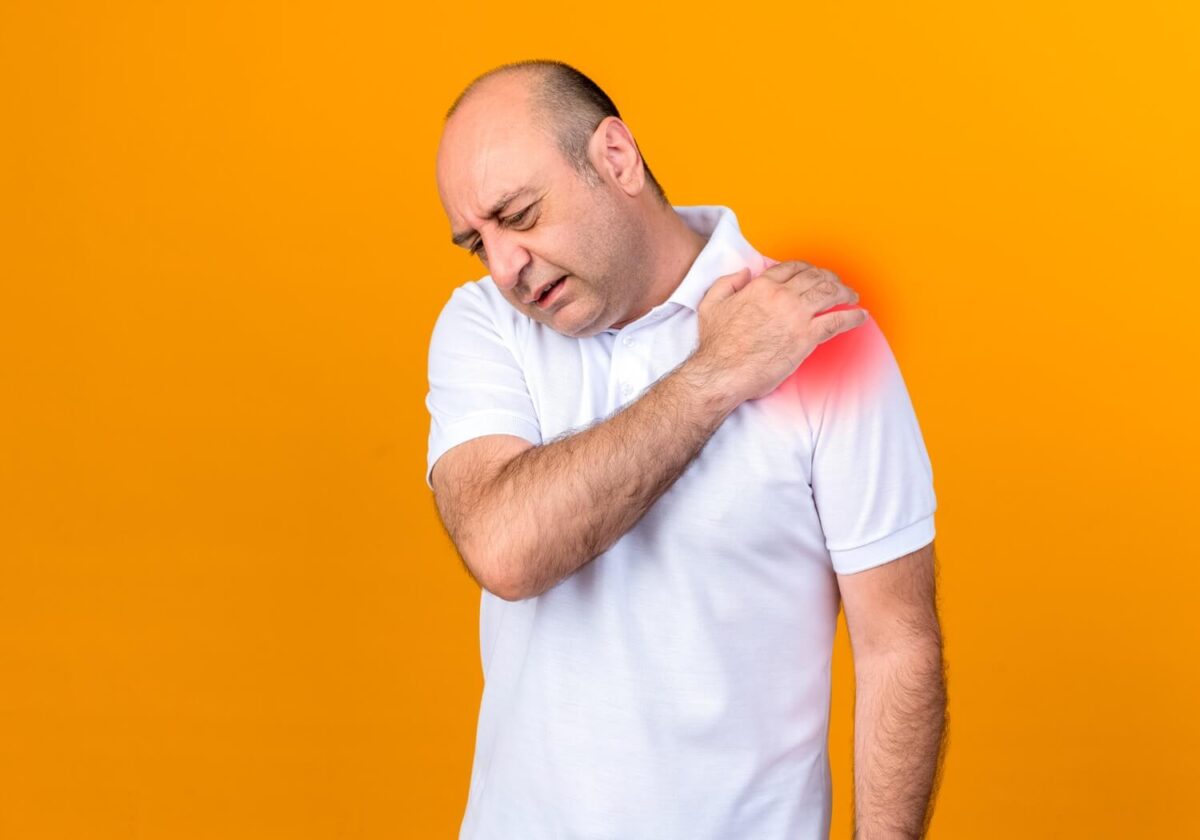
Frozen shoulder, also known as adhesive capsulitis, is a condition where the shoulder joint becomes stiff and painful, limiting movement. It typically develops in three stages and can take up to 2-3 years to fully resolve if left untreated.

Understanding the 3 stages of frozen shoulder can help you recognize the condition and seek timely treatment at LiveWell Hospital, your trusted healthcare partner for pain management in Ahmedabad. Early diagnosis and proper care from a frozen shoulder specialist can significantly improve recovery.

3 Stages of Frozen Shoulder

Stage 1: Freezing Stage (Lasts 6 weeks to 9 months)

In the freezing stage, you may experience:

  • Gradual onset of shoulder pain that worsens over time.
  • Increased pain at night and stiffness when moving the arm.

Management:

  • Pain relief with NSAIDs, ice packs, and heat therapy.
  • Gentle stretching exercises to prevent further stiffness.
  • Physical therapy for improved shoulder pain management.

At LiveWell Hospital, our experienced frozen shoulder doctor will conduct a thorough examination to diagnose your condition and initiate a personalized shoulder pain management plan.

Stage 2: Frozen Stage (Lasts 4 to 12 months)

In this stage, the pain may reduce, but the stiffness becomes more pronounced:

  • Difficulty raising your arm or reaching behind your back.
  • Limited range of motion affecting daily activities.

Management:

  • Continued physical therapy to improve mobility.
  • Corticosteroid injections for pain relief.
  • Avoid aggressive movements to prevent injury.

LiveWell Hospital offers comprehensive shoulder pain treatment during this stage, focusing on physical therapy techniques and targeted exercises designed to gradually improve your range of motion.

Stage 3: Thawing Stage (Lasts 6 months to 2 years)

The thawing stage is when the shoulder gradually improves:

  • Increased range of motion and reduced pain.
  • Regaining strength and flexibility over time.

Management:

  • Strengthening exercises to restore full function.
  • Regular stretching to prevent stiffness from returning.
  • Continued physical therapy for long-term recovery.

When to consult a frozen shoulder specialist

If your shoulder pain is severe or persists despite home care, it’s important to consult a frozen shoulder specialist. Early diagnosis and intervention are crucial for effective management of frozen shoulder. If you are experiencing persistent shoulder pain and stiffness, don’t delay seeking help.

At LiveWell Hospital, the No. 1 Hospital for frozen shoulder treatment in Ahmedabad, we offer a range of non-surgical treatments to relieve pain and restore mobility, including:

  • Medication: Anti-inflammatory drugs to reduce pain and swelling.
  • Physical Therapy: Shoulder mobilization therapy and targeted exercises to improve flexibility and restore movement.
  • Hot and Cold Therapy: Applying heat or ice packs to alleviate discomfort.

If pain persists despite medications and therapy, our specialists may recommend:

  • Intra-Articular Injections: Anti-inflammatory injections inside the shoulder joint to reduce pain and inflammation.
  • Hyaluronic Acid (Jelly Injection): Improves joint lubrication and mobility.
  • Hydrodilatation: A saline and steroid injection technique that expands the joint capsule for better movement.
  • Manipulation Under Anesthesia (MUA): A procedure where the doctor gently moves the joint under anesthesia to break adhesions and restore motion.

At LiveWell Hospital, we offer the best frozen shoulder treatment in Ahmedabad with a team of experienced doctors and effective recovery.

Know more about diagnosis & treatment of frozen shoulder – Click here!

Looking for a frozen shoulder specialist in Ahmedabad? Book your appointment.

Source/s: Banner image by freepik.com


3-Mar-Slipped-Disc.jpg

A slipped disc – also known as a herniated or prolapsed disc—can cause significant discomfort, affecting your daily activities and mobility. Many people believe that a slipped disc will heal on its own with rest, but is that really true? While mild cases may improve over time, ignoring persistent symptoms can lead to worsening pain and complications.

Seeking timely consultation with a slipped disc specialist in Ahmedabad ensures proper evaluation and the best hospital for herniated disc treatment to prevent long-term damage.

Understanding a Slipped Disc

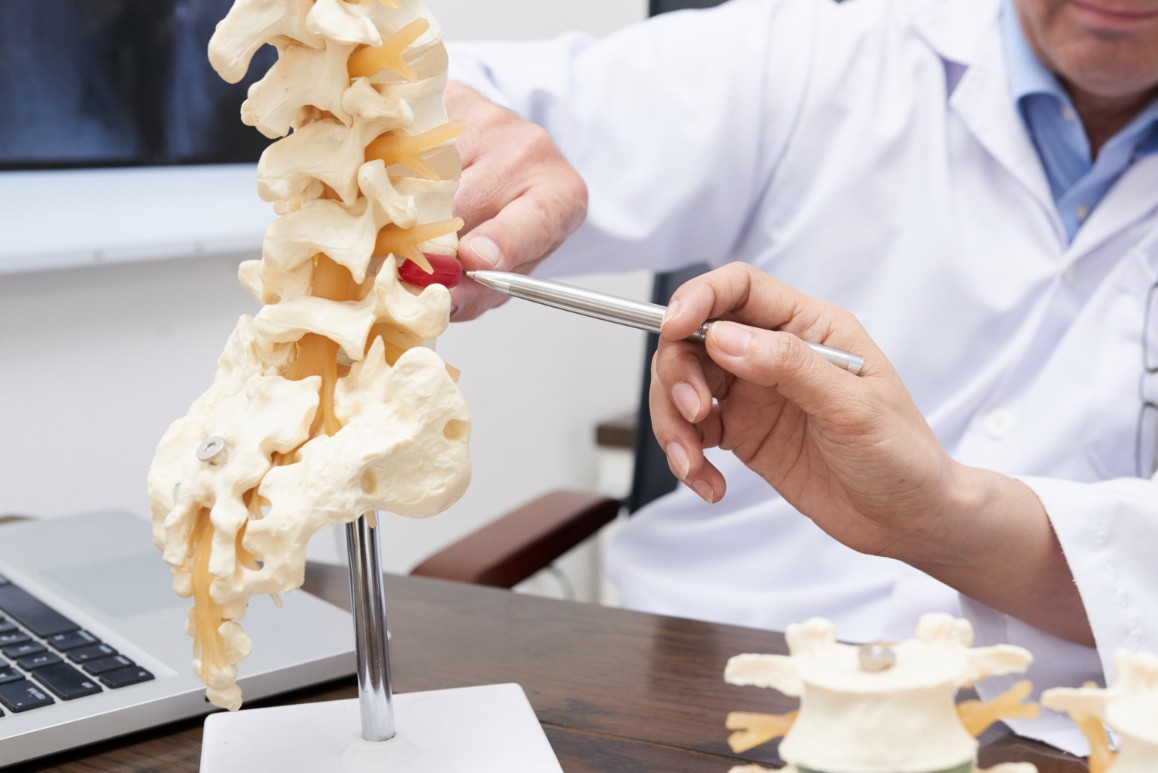
The spine is made up of vertebrae cushioned by discs that act as shock absorbers. When the soft inner core of a disc pushes through the tough outer layer, it can irritate nearby nerves, leading to pain, numbness, and weakness. The severity of symptoms depends on the degree of nerve compression and the location of the slipped disc.

Can a slipped disc heal naturally? On its own?

In some mild cases, the body can gradually reabsorb the herniated portion of the disc, reducing inflammation and pain. However, this process can take months and is not guaranteed. Meanwhile, untreated herniated slipped disc can worsen, leading to chronic discomfort, reduced mobility, and potential nerve damage.

Risks of Ignoring a Slipped Disc

1. Persistent or Worsening Pain
If a slipped disc continues pressing on a nerve, pain may become chronic and harder to treat.

2. Nerve Damage
Prolonged nerve compression can lead to weakness, numbness, or even loss of function in affected areas.

3. Loss of Bladder or Bowel Control
In rare cases, severe disc herniation can compress nerves controlling bladder and bowel function, requiring emergency medical attention.

4. Reduced Quality of Life
Ignoring symptoms can make simple activities like walking, sitting, or sleeping difficult, impacting your daily routine and overall well-being.

When to see a pain specialist

If you experience ongoing back pain, leg pain, or numbness that affects your ability to move or function, consulting a slipped disc specialist in Ahmedabad is crucial. Early intervention can prevent further complications and help restore mobility faster.

What are the slipped disc treatment options?

Non-Surgical Approaches
Many patients benefit from non-invasive treatments, including:

  • Physical Therapy – Strengthening exercises improve posture and relieve pressure on the disc.
  • Medication – Pain relievers and anti-inflammatory drugs help manage symptoms.
  • Epidural Injections – Reduce inflammation and nerve irritation for lasting relief.
  • Lifestyle Modifications – Proper posture, weight management, and ergonomic changes can prevent worsening symptoms.

Advanced Pain Management Procedures
If conservative treatments fail to provide relief, minimally invasive interventions are available, including:

  • Transforaminal Block – A targeted injection to reduce nerve swelling and alleviate pain, performed under live X-ray guidance.
  • Percutaneous Disc Decompression (Nucleoplasty) – A non-surgical bulging disc treatment that removes a portion of the herniated disc through a needle, relieving pressure on the nerve roots.
  • Endoscopic Disc Removal – A modern, minimally invasive technique where the bulging disc is removed under direct vision using an endoscope, offering faster recovery and less post-procedure pain.

Surgical Treatments
In severe cases, surgery such as laminectomy may be required to relieve excessive pressure on the spinal cord and nerve roots. This procedure is performed under general anesthesia to remove the affected disc portion and restore nerve function.

Looking for the best slipped disc treatment in Ahmedabad? Click here to know more.

Don’t Ignore the Pain – Seek Expert Care

At LiveWell Hospital, our team of specialists, led by Dr. Hitesh Patel, the best slipped disc specialist in Ahmedabad, Gujarat, employs advanced diagnostic techniques to identify the root cause of your slipped disc.

If you’re experiencing persistent back pain, don’t wait – schedule a consultation with LiveWell Hospital – No. 1 hospital for slip disc treatment in Ahmedabad and take the first step toward recovery.

Source/s: Banner image by freepik.com


2-habits-to-prevent-back-pain-March-2025-1200x675.jpg

Back pain is a common issue that affects people of all ages. Dr. Hitesh N Patel, a leading pain specialist at LiveWell Hospital, Ahmedabad, emphasizes that adopting healthy habits can help prevent and reduce back pain. Here are five essential habits that can support spinal health:

1. Maintain Good Posture

  • Sit and stand with a straight back to avoid unnecessary strain.
  • Use ergonomic chairs with lumbar support when working for long hours.
  • Avoid hunching over screens and keep screens at eye level.

2. Exercise and Strengthen Core Muscles

  • Engage in regular physical activities like walking, swimming, or yoga.
  • Strengthen core muscles to provide better support to the spine.
  • Stretch your back, hamstrings, and hips to improve flexibility and reduce stiffness.

3. Lift Objects Properly

  • Always bend your knees and keep your back straight when lifting heavy objects.
  • Hold objects close to your body to reduce spinal strain.
  • Avoid twisting your back while lifting, as it can lead to injuries.

4. Maintain a Healthy Weight

  • Excess weight, especially around the abdomen, puts extra pressure on the lower back.
  • A balanced diet and regular exercise can help maintain a healthy weight.
  • Avoid inflammatory foods that can contribute to muscle and joint pain.

5. Sleep on a Supportive Mattress

  • Use a medium-firm mattress that provides proper spinal support.
  • Avoid sleeping on your stomach, as it can strain the back and neck.
  • Use a pillow that aligns your head and spine for optimal comfort.

If back pain persists despite lifestyle changes, Dr. Hitesh N Patel at LiveWell Hospital, Ahmedabad, specializes in treating spine pain, slipped discs, and other pain conditions. Consult today!

Best Exercise for Back Pain, Follow this Exercise with Best pain Management Doctor, Hitesh Patel – Watch the Video

Source/s: Banner image by freepik.com


2-Feb-Chronic-Sciatica-Do-not-ignore-pain-1200x843.jpg

Sciatica is a condition that causes sharp, radiating pain along the path of the sciatic nerve, which runs from the lower back down to the legs. While occasional flare-ups may resolve on their own, chronic sciatica requires medical attention. Ignoring persistent sciatica pain treatment in Ahmedabad can lead to long-term complications that may affect mobility, daily activities, and overall quality of life.

Understanding Chronic Sciatica

Sciatica occurs when the sciatic nerve is compressed due to conditions such as herniated discs, spinal stenosis, or muscle inflammation. While some individuals experience mild discomfort, others suffer from severe pain that disrupts their daily routine. Chronic sciatica, if left untreated, can cause muscle weakness, numbness, and even permanent nerve damage.

Risks of Ignoring Sciatica Pain

1. Increased Nerve Damage
Prolonged nerve compression can result in irreversible nerve damage, leading to chronic back pain and reduced sensation in the legs. Early intervention with the best treatment for sciatica pain can prevent this from happening.

2. Reduced Mobility and Weakness
Sciatica affects leg strength and movement, making simple tasks like walking or standing difficult. Seeking help from a sciatica specialist in Ahmedabad ensures that the condition is managed before mobility issues become permanent.

3. Development of Chronic Pain Syndrome
Long-term sciatica pain can alter the way the brain processes pain signals, leading to chronic pain syndrome. This makes pain management more challenging and affects overall well-being.

4. Bladder and Bowel Dysfunction
Severe cases of untreated sciatica, particularly those caused by spinal conditions, can lead to incontinence. If you experience this symptom, it is crucial to visit a hospital for sciatica treatment immediately.

Why Early Intervention Matters

The good news is that timely medical care can prevent these complications. Consulting a sciatica doctor in Ahmedabad helps identify the root cause and develop a treatment plan tailored to your needs.

Non-Surgical Treatment Approaches for Sciatica

Many patients prefer sciatica without surgery, as non-invasive treatments can effectively manage pain and restore function. Options include:

  • Physiotherapy: Strengthens muscles and improves flexibility.
  • Medication: Pain relievers and anti-inflammatory drugs reduce symptoms.
  • Epidural Injections: Helps reduce nerve inflammation.
  • Lifestyle Modifications: Proper posture and regular exercise prevent flare-ups.

Advanced Medical Treatments

For severe cases, advanced procedures like radiofrequency ablation or minimally invasive surgery may be required. A sciatica specialist in Ahmedabad can determine the best course of action based on the severity of the condition.

READ ALSO: Comprehensive Back Pain and Sciatica Treatment

Take the First Step Towards Pain Relief

Ignoring sciatica pain can have lasting consequences. Seeking professional care for sciatica pain treatment in Ahmedabad can improve mobility, reduce discomfort, and prevent complications. If you or a loved one is struggling with sciatica, consult a specialist today and take the first step toward a pain-free life.

At LiveWell Hospital, our team of experienced pain specialists offers cutting-edge treatments and personalized care to help you regain a pain-free life.

Looking for best sciatica treatment hospital in Gujarat? Contact us today to schedule a consultation with best pain physician in Ahmedabad.

Source/s: Banner image by freepik.com


TGN_Early_Signs_Banenr.jpg

Trigeminal neuralgia is a chronic pain condition that affects the trigeminal nerve, causing sudden and severe facial pain. Recognizing the early signs is crucial for timely intervention and effective management. At LiveWell Hospital, a leading center for trigeminal neuralgia treatment in Ahmedabad, we emphasize the importance of early diagnosis and treatment.

What is Trigeminal Neuralgia?

Trigeminal neuralgia, also known as facial neuralgia, is characterized by intense, stabbing pain in the face. It typically affects one side of the face and is often triggered by simple actions such as talking, chewing or touching the face. Early detection and treatment are essential to prevent the condition from worsening.

Early Signs to Watch For

1. Sudden, Sharp Facial Pain
The hallmark symptom of trigeminal neuralgia is sudden, intense facial pain that may feel like an electric shock. This pain can last from a few seconds to a few minutes and may occur multiple times a day.

2. Pain Triggered by Everyday Activities
Activities such as brushing your teeth, washing your face, or even a gentle breeze can trigger pain. If you notice pain during these routine tasks, it could be an early sign of trigeminal neuralgia.

3. Tingling or Numbness
Before the onset of severe pain, some patients may experience tingling or numbness in the face. This can be an early indicator that the trigeminal nerve is affected.

4. Pain Focused on One Side of the Face
Trigeminal neuralgia usually affects only one side of the face. If you experience unilateral facial pain, it’s important to seek medical advice promptly.

5. Episodes of Pain with Varying Intensity
The intensity of pain can vary, with some episodes being more severe than others. If you experience recurrent facial pain with changing intensity, it’s a sign that should not be ignored.

Looking for facial pain specialists in Ahmedabad? Contact us.

Why Early Diagnosis is Important

Early diagnosis allows for timely medical treatment of trigeminal neuralgia, which can significantly improve a patient’s quality of life. Delaying treatment can lead to more frequent and severe pain episodes, making the condition harder to manage over time.

Treatment Options at LiveWell Hospital

At LiveWell Hospital, we offer comprehensive trigeminal neuralgia treatment in Ahmedabad, tailored to each patient’s needs. Our treatment options include:

Medication

Initial treatment often involves medications such as anticonvulsants and muscle relaxants to control nerve pain.

Advanced Procedures

For patients who do not respond to medication, we provide advanced procedures for trigeminal neuralgia, including:

Radio Frequency Ablation Treatment (RFA) for Trigeminal Neuralgia: This procedure uses heat generated by radio waves to target and disrupt the nerve fibers causing pain.

Alcohol injections: Alcohol injections provide temporary pain relief in trigeminal Neuralgia by numbing the affected areas of your face.

Micro Vascular Decompression (MVD): This major surgical procedure involves repositioning blood vessels that are in contact with the trigeminal nerve. While effective, it carries risks such as hearing loss, facial weakness and stroke.

Balloon Compression: A needle and catheter are used to insert a balloon into the base of the skull, inflating it to damage the nerve and block pain signals.

Gamma-Knife Radiosurgery (GKR): This non-invasive procedure uses targeted radiation to damage the trigeminal nerve, providing gradual pain relief over several weeks.

When to Seek Medical Help?

If you experience any of the early signs mentioned above, it’s crucial to consult a trigeminal neuralgia specialist. Early intervention can prevent the condition from worsening and improve your overall quality of life.

LiveWell Hospital is recognized as the best trigeminal neuralgia treatment hospital in Gujarat, offering state-of-the-art care and expertise.

Don’t wait for the pain to take over your life. Schedule a consultation with trigeminal neuralgia doctor in Ahmedabad today and take the first step towards effective trigeminal nerve pain treatment.

Heal with LiveWell.

Source/s: Banner image by freepik.com


backpain_sciatica_banner-1200x800.jpg

Overview

Back pain and sciatica are among the most common health concerns affecting individuals in Gujarat, India. With lifestyles becoming increasingly sedentary and work-related stress on the rise, the need for advanced, effective, and minimally invasive treatments has never been greater. LiveWell Hospital, a leading spine and pain care center in Gujarat, offers cutting-edge solutions for managing back pain and sciatica, catering to patients across Ahmedabad, Surat, Vadodara, Rajkot, and beyond.

Understanding Back Pain and Sciatica

Back pain is a condition that can arise from poor posture, muscle strain, or spinal issues. Sciatica, on the other hand, is characterized by radiating pain along the sciatic nerve, typically affecting the lower back, buttocks, and legs. Left untreated, these conditions can severely impact quality of life, limiting mobility and productivity.

Why Choose LiveWell Hospital for Back Pain and Sciatica Treatment?

Located in the heart of Gujarat, LiveWell Hospital is renowned for its state-of-the-art facilities and a team of experienced specialists led by Dr. Hitesh N. Patel, a leading pain management expert. The hospital offers a holistic approach to diagnosing and treating spine-related issues, including:

  • Minimally Invasive Spine Surgery (MISS): LiveWell specializes in keyhole spine surgery, which reduces recovery time and minimizes complications.
  • Non-Surgical Interventions: Advanced treatments like epidural steroid injections, radiofrequency ablation, and physiotherapy are tailored to individual needs.
  • Slipped Disc Treatment: From conservative management to surgical interventions, LiveWell provides comprehensive care for herniated discs.
  • Pain Management for Chronic Conditions: The hospital also addresses persistent pain caused by conditions like degenerative disc disease and spinal stenosis.

Cutting-Edge Technology at LiveWell

LiveWell Hospital integrates advanced technology like high-resolution imaging, to ensure precision and efficacy. This focus on innovation has made the hospital a preferred choice for back pain and sciatica treatment in Gujarat.

Success Stories from Patients Across Gujarat

LiveWell Hospital has transformed the lives of thousands of patients with back pain and sciatica. From young professionals to senior citizens, the hospital’s personalized treatment plans ensure optimal outcomes and long-term relief.

Book Your Consultation Today

Don’t let back pain or sciatica hold you back. Contact LiveWell Hospital today to schedule a consultation with Dr. Hitesh N. Patel and his expert team. With personalized care, cutting-edge technology, and a commitment to excellence, LiveWell is your trusted partner for spine health in Gujarat.

Call for appointment: 9825040252
Hospital Address:
LiveWell Hospital, 5th Floor Rudra Arcade Block B, Helmet Circle, Memnagar, Ahmedabad.
Click to Get Directions on Google Map

Source/s: Banner image by freepik.com


trigeminal_neuralgia_RFA_banner-e1728301195540.jpg

Overview

Trigeminal neuralgia is often described as one of the most excruciating pain conditions known to patients, characterized by intense, sudden, and recurrent episodes of facial pain. This debilitating condition, affecting the trigeminal nerve, can make simple daily activities like eating, talking, or even smiling unbearable. Fortunately, advanced medical procedures, such as Radiofrequency Ablation (RF), offer effective pain relief and can significantly improve the quality of life for those suffering from trigeminal neuralgia.

At LiveWell Hospital, we specialize in offering cutting-edge, minimally invasive procedures like radiofrequency ablation for trigeminal neuralgia, making us one of Gujarat’s leading centers for pain management and nerve treatments.

Understanding Trigeminal Neuralgia

Trigeminal neuralgia is caused by irritation or compression of the trigeminal nerve, which is responsible for transmitting sensations from the face to the brain. This condition often presents as sharp, stabbing facial pain that may last from a few seconds to minutes. The episodes can be triggered by routine actions like chewing, speaking, or even exposure to wind.

Common Patient Queries

What causes trigeminal neuralgia?
The condition may be triggered by blood vessels compressing the nerve, multiple sclerosis, or tumors, but often the cause remains idiopathic (unknown).

What are the non-surgical treatments available for trigeminal neuralgia?
Initially, patients are often treated with medications like anticonvulsants or muscle relaxants. However, when medications fail to control pain or cause intolerable side effects, more advanced treatments like radiofrequency ablation are recommended.

What is Radiofrequency Ablation (RF)?
Radiofrequency Ablation is a minimally invasive procedure that targets and disrupts the pain signals from the trigeminal nerve, providing long-lasting relief from pain. Unlike other surgical procedures, RF does not require a large incision and recovery times are significantly shorter. The procedure involves using radiofrequency energy to heat and damage the specific nerve fibers responsible for transmitting pain.

Why Choose Radiofrequency Ablation?

  • Minimally Invasive: RF ablation involves a small needle and electrode, minimizing tissue damage and risk.
  • Quick Recovery: Patients can often return home the same day and resume normal activities within a few days.
  • Long-Lasting Pain Relief: The procedure provides long-term pain relief, often lasting several months to years.
  • Cost-Effective: Compared to other surgical treatments, RF is more affordable while being highly effective, making it a preferred choice among patients in Gujarat looking for trigeminal neuralgia treatment.

Patient-Centered Care at LiveWell Hospital

At LiveWell Hospital, we prioritize patient care by offering customized treatment plans for each individual based on their specific medical needs. Our expert team of specialists in pain medicine and neurology is highly experienced in treating trigeminal neuralgia with radiofrequency ablation. From initial consultations to post-treatment care, we ensure that you receive comprehensive support throughout your journey to pain relief.

Common Patient Queries About Radiofrequency Ablation

How effective is radiofrequency ablation for trigeminal neuralgia?
RF ablation is highly effective in reducing pain for many patients, with success rates ranging from 70-90%. However, it’s important to note that pain relief may be temporary and repeat procedures could be necessary.

What is the recovery process like?
Recovery is typically quick. Most patients report minimal discomfort and can return to normal activities within a few days of the procedure.

Is radiofrequency ablation safe?
Yes, RF is considered a safe procedure when performed by experienced specialists. Complications are rare but can include numbness or mild facial weakness, which typically resolve over time. So basically this is a minimally invasive pain relief procedure.

Why LiveWell Hospital for Trigeminal Neuralgia Treatment?
With over 14 years of experience in pain management, Dr. Hitesh N Patel and his team at LiveWell Hospital are renowned for providing effective, personalized treatments for nerve-related conditions, including trigeminal neuralgia. Our hospital in Gujarat is equipped with state-of-the-art facilities to perform advanced procedures like radiofrequency ablation safely and effectively.

Having treated thousands of patients, we are one of the best nerve pain treatment specialists in Gujarat.

Schedule a Consultation with best hospital for trigeminal neuralgia in Ahmedabad.

If you or a loved one is suffering from trigeminal neuralgia, don’t let the pain control your life. Contact LiveWell Hospital today to schedule a consultation and explore whether radiofrequency ablation is the right treatment for you.

Source/s: Banner image by Google Generative AI


20b-1.jpg

As the festive lights of Diwali brighten the winter nights, many people eagerly prepare to celebrate this joyous occasion. However, for individuals dealing with various forms of pain, this season can bring additional challenges and discomfort. Live Well Hospital, under the guidance of Dr. Hitesh Patel, stands ready to offer relief and support during this time. In this blog, we’ll explore how Diwali and winter can exacerbate pain and discuss ways to avoid falling into the clutches of increased discomfort, while highlighting how Live Well Hospital can provide effective pain management.

Understanding the Impact of Diwali and Winter on Pain

  1. Cold Weather and Joint Pain: Winter brings lower temperatures, which can lead to increased joint stiffness and pain in individuals with conditions like arthritis. Cold weather can also constrict blood vessels, making muscles and joints ache.
  2. Excessive Physical Activity: Diwali preparations and celebrations often involve extensive physical activity, including cleaning, decorating, and festive rituals. For individuals already experiencing pain, such activities can strain muscles and exacerbate pain.
  3. Stress and Anxiety: Preparing for Diwali, managing social commitments, and financial stress can lead to heightened levels of stress and anxiety. These emotional states can amplify pain, especially for individuals with conditions like fibromyalgia or tension-related headaches.
  4. Dietary Choices: Diwali is synonymous with indulgent foods, including sugary sweets and fried snacks. Unhealthy dietary choices can worsen pain symptoms in individuals with conditions like irritable bowel syndrome (IBS) or migraines.

Live Well Hospital: Your Partner in Pain Management

Live Well Hospital, led by Dr. Hitesh Patel, specializes in providing comprehensive pain management solutions for a wide range of conditions, including those exacerbated during Diwali and winter. Here’s how Live Well Hospital can help:

  1. Precise Diagnosis: Accurate diagnosis is the first step in effective pain management. Dr. Hitesh Patel and his team employ advanced diagnostic tools to understand the root cause of pain, whether it’s related to joints, muscles, nerves, or other factors.
  2. Tailored Treatment Plans: Each patient receives a personalized treatment plan that considers their unique pain triggers and experiences. This plan may include minimally invasive procedures, medication management, or physical therapy.
  3. Pain Relief Interventions: For patients dealing with increased pain during the festive season, Live Well Hospital offers a range of pain relief interventions, such as nerve blocks, epidural injections, and facet joint injections, to alleviate discomfort and promote a faster recovery.
  4. Psychological Support: Recognizing the link between emotional and physical pain, Live Well Hospital provides psychological support for patients experiencing stress, anxiety, or depression.

Tips to Avoid Increased Pain During Diwali and Winter:

  1. Stay Warm: Dress in layers to keep warm during the winter months, especially if you have joint pain. Using heating pads or warm compresses can also help alleviate discomfort.
  2. Moderation in Activities: Pace yourself during Diwali preparations. Divide tasks into manageable portions and take frequent breaks to avoid overexertion.
  3. Healthy Eating: Enjoy Diwali sweets and snacks in moderation, and balance them with nutritious foods. Limit your intake of sugary and fatty treats.
  4. Stress Management: Practice stress-reduction techniques like meditation, yoga, or deep breathing exercises to maintain emotional well-being.
  5. Consult a Specialist: If you experience increased pain or discomfort during this season, don’t hesitate to consult a pain management specialist like Dr. Hitesh Patel at Live Well Hospital for a precise diagnosis and tailored treatment plan.

Diwali and winter can bring both joy and additional pain-related challenges for many individuals. To navigate this season with more comfort and less pain, it’s essential to take precautions and seek professional help when needed. Live Well Hospital, under the expert guidance of Dr. Hitesh Patel, offers specialized pain management solutions to address various pain-related conditions exacerbated during this time. By combining healthy lifestyle choices and effective pain management, you can enjoy the festivities of Diwali while maintaining your well-being.


img-3.jpg

Pain is a universal human experience. It can range from a fleeting discomfort to a chronic, debilitating condition, impacting every aspect of our lives. While pain is a normal response to injury or illness, it can become a serious problem when it persists or worsens. Fortunately, advancements in medical science and dedicated professionals like Dr. Hitesh Patel at Live Well Hospital in Ahmedabad offer excellent treatment for various types of pain.

Types of Pain

Before delving into the exceptional care provided by Dr. Hitesh Patel and Live Well Hospital, let’s understand the different types of pain:

  1. Acute Pain: This type of pain is typically caused by an injury or a specific medical condition. It is sharp and sudden and often serves as a warning sign for potential damage or harm. Acute pain usually resolves when the underlying cause is treated.
  2. Chronic Pain: Chronic pain persists over a long period and is often associated with conditions like arthritis, fibromyalgia, or nerve damage. It can be debilitating and significantly affect one’s quality of life.
  3. Neuropathic Pain: Neuropathic pain results from damage to the nervous system. It is often described as a burning, shooting, or stabbing pain. Conditions like diabetic neuropathy and post-herpetic neuralgia are examples of neuropathic pain.
  4. Cancer Pain: Cancer-related pain can result from the disease itself or its treatment. The pain can be acute or chronic and may vary in intensity.
  5. Psychological Pain: Psychological pain is often related to emotional and mental health issues. Conditions such as depression and anxiety can manifest as physical pain, making it challenging to diagnose and treat.
  6. Musculoskeletal Pain: Musculoskeletal pain involves the bones, muscles, and connective tissues. Conditions like osteoarthritis and back pain fall into this category.
  7. Visceral Pain: Visceral pain originates from the internal organs, often due to inflammation, obstruction, or stretching of the organs. Conditions like appendicitis and gallstones can cause visceral pain.

Treatment at Live Well Hospital

Live Well Hospital in Ahmedabad, led by the renowned pain management specialist Dr. Hitesh Patel, is dedicated to providing comprehensive care for all types of pain. Here are some of the ways in which Live Well Hospital excels in offering top-notch pain management:

  1. Multidisciplinary Approach: Dr. Hitesh Patel and his team employ a multidisciplinary approach to pain management. They collaborate with specialists from various fields, including neurology, orthopedics, psychology, and physical therapy, to create tailored treatment plans for each patient.
  2. Advanced Interventions: Live Well Hospital offers state-of-the-art pain management techniques, such as epidural injections, nerve blocks, and radiofrequency ablation, to target the source of pain directly. These interventions are minimally invasive and can provide long-lasting relief.
  3. Pharmacological Management: When necessary, Dr. Hitesh Patel may prescribe medications to alleviate pain. He carefully evaluates each patient’s condition to determine the most appropriate medication and dosage.
  4. Physical Therapy: Physical therapy plays a crucial role in pain management. Live Well Hospital offers specialized physical therapy programs to help patients regain mobility, strength, and functionality.
  5. Psychological Support: Recognizing the connection between mental and physical health, Live Well Hospital provides psychological support to patients experiencing psychological pain or pain-related anxiety and depression.
  6. Patient-Centric Care: The team at Live Well Hospital is committed to patient-centered care. They take the time to understand the unique needs and concerns of each patient, ensuring that the treatment plan aligns with the individual’s goals and expectations.
  7. Comprehensive Pain Management: Live Well Hospital specializes in managing a wide range of pain types, including cancer pain, neuropathic pain, and musculoskeletal pain. This comprehensive approach ensures that patients receive the most appropriate and effective care.

Pain can significantly affect one’s quality of life, but with the right care and expertise, it is often manageable. Dr. Hitesh Patel and the team at Live Well Hospital in Ahmedabad provide exemplary treatment for all types of pain, addressing not only the physical aspects but also the emotional and psychological impact of pain. Their commitment to patient-centric, multidisciplinary care, advanced interventions, and comprehensive pain management makes Live Well Hospital a trusted destination for those seeking relief from pain. Don’t let pain control your life – reach out to Live Well Hospital for the care you deserve.


LiveWell Pain & Spine Hospital India is a new, dedicated facility conveniently located in the heart of Ahmedabad City, Gujarat offering best possible remedy for curing pain. It has a state-of-the-art procedure suite enabling most procedures to be performed on the premises.

Contact Us

Livewell Pain & Spine Hospital
2nd & 5th Floor Rudra Arcade B, Helmet Circle, Memnagar,
Ahmadabad 380 052, Gujarat, INDIA.

+91 98250 40252 , +91 98240 90435

info@livewellhospital.com

Copyright 2026 by LiveWell Hospital. All Rights Reserved.