


for Frozen Shoulder


Participated

-
 Diabetes
- Previous shoulder injury or surgery
- Cervical disc disease in the neck
- Prolonged immobility (e.g., after a stroke or surgery requiring bed rest)
- Excessive strain on the shoulder, especially in patients with knee pain
-
 Persistent shoulder joint pain
- Gradual decrease in shoulder movement
- Pain and stiffness, especially while reaching overhead
- Difficulty in daily activities like dressing or combing hair
- Nighttime pain, particularly in advanced stages
- Stiffness of the shoulder joint
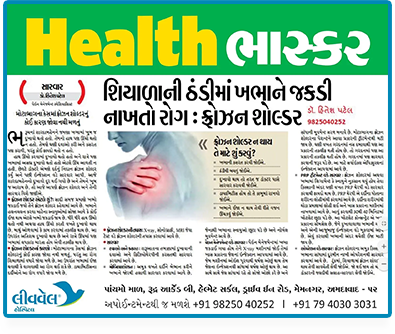
 Medication: Anti-inflammatory drugs help reduce pain and swelling. Physical Therapy: Shoulder mobilization therapy and targeted exercises can improve flexibility and restore movement. Hot and Cold Therapy: Applying heat or ice packs can help alleviate discomfort. Intra-Articular Injections: Anti-inflammatory injections inside the shoulder joint to reduce pain and inflammation. Hyaluronic Acid (Jelly Injection): Helps improve joint lubrication and mobility. Hydrodilatation: A saline and steroid injection technique that expands the joint capsule for better movement. Manipulation Under Anesthesia (MUA): A specialized technique where the doctor gently moves the joint while the patient is under anesthesia to break adhesions and restore motion.


- How long does frozen shoulder take to heal?
- Can frozen shoulder go away on its own?
- Is frozen shoulder more common in diabetics?
- Can frozen shoulder be prevented?
- What is the best sleeping position for frozen shoulder?
Frozen shoulder typically progresses through three stages (freezing, frozen, and thawing) and can take anywhere from several months to a few years to fully recover.
While some cases improve over time, most patients require treatment such as physical therapy, medications, or injections to speed up recovery and relieve pain.
Yes, studies show that people with diabetes have a 10-20% higher chance of developing frozen shoulder compared to the general population.
Regular shoulder exercises, especially after an injury or surgery, can help maintain mobility and reduce the risk of developing frozen shoulder.
Sleeping on the unaffected side with a pillow supporting the affected arm can help reduce pain and discomfort at night.
- Banner image by freepik.com
- CTA Image by freepik.com

LiveWell Pain & Spine Hospital India is a new, dedicated facility conveniently located in the heart of Ahmedabad City, Gujarat offering best possible remedy for curing pain. It has a state-of-the-art procedure suite enabling most procedures to be performed on the premises.